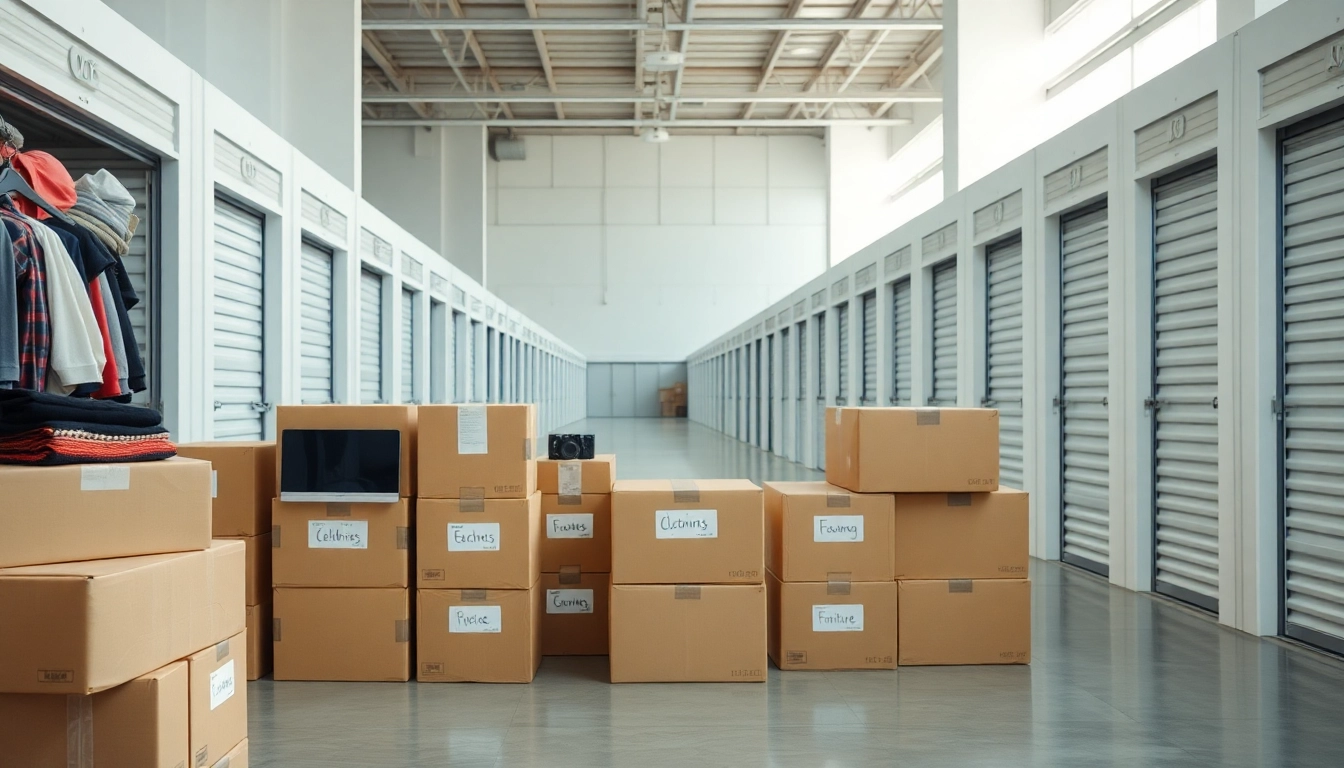
Understanding Self Storage Units
What Are Self Storage Units?
Self storage units are secure spaces rented out to individuals and businesses for the purpose of storing items, ranging from personal belongings to business inventories. These units typically come in various sizes and are designed to accommodate a wide range of storage needs. Self storage facilities may be found in urban and suburban areas, making them accessible for people looking for additional space, whether for temporary storage during a move or for long-term decluttering.
Types of Self Storage Units Available
When considering self storage units, it’s important to know that they come in various forms, tailored to different needs. Here are the main types:
- Standard Units: These are the most common type, offering basic protection against environmental elements. Perfect for general storage.
- Climate-Controlled Units: Ideal for sensitive items like electronics, artwork, or antiques, these units maintain a consistent temperature and humidity level.
- Drive-Up Units: Convenient for easy loading and unloading, these units allow you to drive directly up to the door.
- Outdoor Storage Units: Typically larger and designed for larger items like vehicles, boats, or RVs.
- Business Storage Units: Tailored for businesses that require additional space for inventory, documents, or equipment, usually offering flexible arrangements.
Benefits of Using Self Storage Units
Self storage units offer numerous benefits that can cater to different customer needs:
- Flexibility: Rent is often on a month-to-month basis, allowing for easy adjustments as needs change.
- Security: Modern facilities employ advanced security measures, including surveillance cameras and controlled access, giving peace of mind.
- Accessibility: Most facilities allow access to storage units during convenient hours, often 24/7.
- Space Management: Ideal for decluttering homes or offices, helping you manage space more efficiently.
- Business Needs: Support for inventory overflow, seasonal storage, or document storage, making it critical for business operations.
How to Choose the Right Self Storage Units
Assessing Your Storage Needs
Selecting the right self storage unit begins with understanding your specific needs. Consider what you plan to store: is it seasonal items, business inventory, or personal belongings? List the items you intend to keep and determine the space required based on their size and amount. Measuring your items can limit the risk of renting a unit that’s too small or too large, helping you save money.
Evaluating Location and Accessibility
When choosing a self storage unit, location is vital. Facilities near your home or business can provide quick access, decreasing transport time and costs. However, also consider the safety and security of the neighborhood, ease of access for larger vehicles, and operating hours to ensure they meet your needs, particularly if you plan to access your unit often.
Comparing Pricing and Features
Pricing for self storage units can vary widely. Factors that affect pricing include unit size, location, and additional features like climate control. It’s essential to compare multiple facilities, taking note of any introductory rates, discounts, or long-term rental deals. Look for hidden fees in contracts, such as deposits or administrative fees that may apply when diving deeper into the pricing structure.
Maximizing Space in Self Storage Units
Effective Packing Techniques
To utilize your self storage unit effectively, packing strategically is essential. Use boxes that are uniform in size to stack neatly. Label each box with its contents for easy identification. Ensure heavier items are on the bottom, using smaller boxes for lighter objects on top. Furniture can be disassembled to save space and packed into boxes wherever possible.
Organizing for Easy Access
Prioritize easy access to frequently used items in your unit. Create an aisle between rows of boxes and items to retrieve them quickly. Items you may need to access often should be placed closer to the door. Clear labeling and an inventory list will also facilitate quick identification of boxes or items without the need to search through everything.
Utilizing Vertical Space
Vertical space can significantly increase the storage capacity of your unit. Consider using shelving and stacking boxes to take advantage of height rather than floor space. Hang items such as bicycles or tools on walls if allowed, or use tall storage units to maximize the area effectively. This organization technique can create more space for additional items.
Security Features of Self Storage Units
Importance of Security in Self Storage
The security of your belongings is paramount when renting a self storage unit. Safeguarding items from theft and environmental elements is crucial. A reputable facility will have robust security measures in place that protect your items and provide peace of mind, allowing you to focus on your needs without the constant worry of potential loss.
Technology Enhancements in Security
Advancements in technology have greatly enhanced self storage security. Features like electronic gate access, video surveillance, motion detectors, and alarm systems help to deter unauthorized access. Some facilities even offer biometric access controls for added security, ensuring that only authorized personnel can access the units. Choosing a facility that invests in these technologies can assure a higher level of protection.
Insurance Options for Your Belongings
While self storage facilities typically offer a basic level of protection, they often recommend additional insurance for your belongings. It’s important to understand you may want to consider purchasing insurance coverage, whether through a rental insurance policy or directly from the facility, in case of theft, fire, or other unpredictable events. Review your homeowner’s or renter’s insurance to see if it covers storage units as well.
FAQs About Self Storage Units
How long can I rent a self storage unit?
You can rent a self storage unit for a flexible duration, typically on a month-to-month basis. This allows you to store your items for as long or as short a time as you need, with options to renew or terminate your rental as necessary.
What is typically included in the rental fee?
The rental fee usually covers the use of the unit itself, access to the facility, and basic security measures. However, additional services like insurance, climate control, or specialized access may come at extra costs depending on the facility’s policies.
Are there restrictions on what I can store?
Yes, most self storage facilities have restrictions on items that cannot be stored, including hazardous materials, perishable goods, or firearms. Always check the facility’s policies to ensure compliance and avoid any issues.
How can I access my self storage unit?
Accessing your self storage unit typically involves a personal access code or key. Many facilities allow access during specified hours, while some offer 24/7 access options. Always confirm before renting.
Do I need to provide my own lock?
It depends on the facility. Some self storage units require you to bring your own lock, while others may provide one as part of the rental agreement. Check with the facility beforehand to ensure you have what you need to secure your unit.