Introduction to Weddings Venue Selection
Choosing the perfect venue is paramount for planning a successful wedding. The right Weddings Venue can create the backdrop for lifelong memories. Given the myriad of options available, it can be daunting to narrow down your choices. This article aims to guide you through essential factors to consider during your venue selection process, ensuring your wedding day aligns with your vision.
Understanding Your Wedding Style
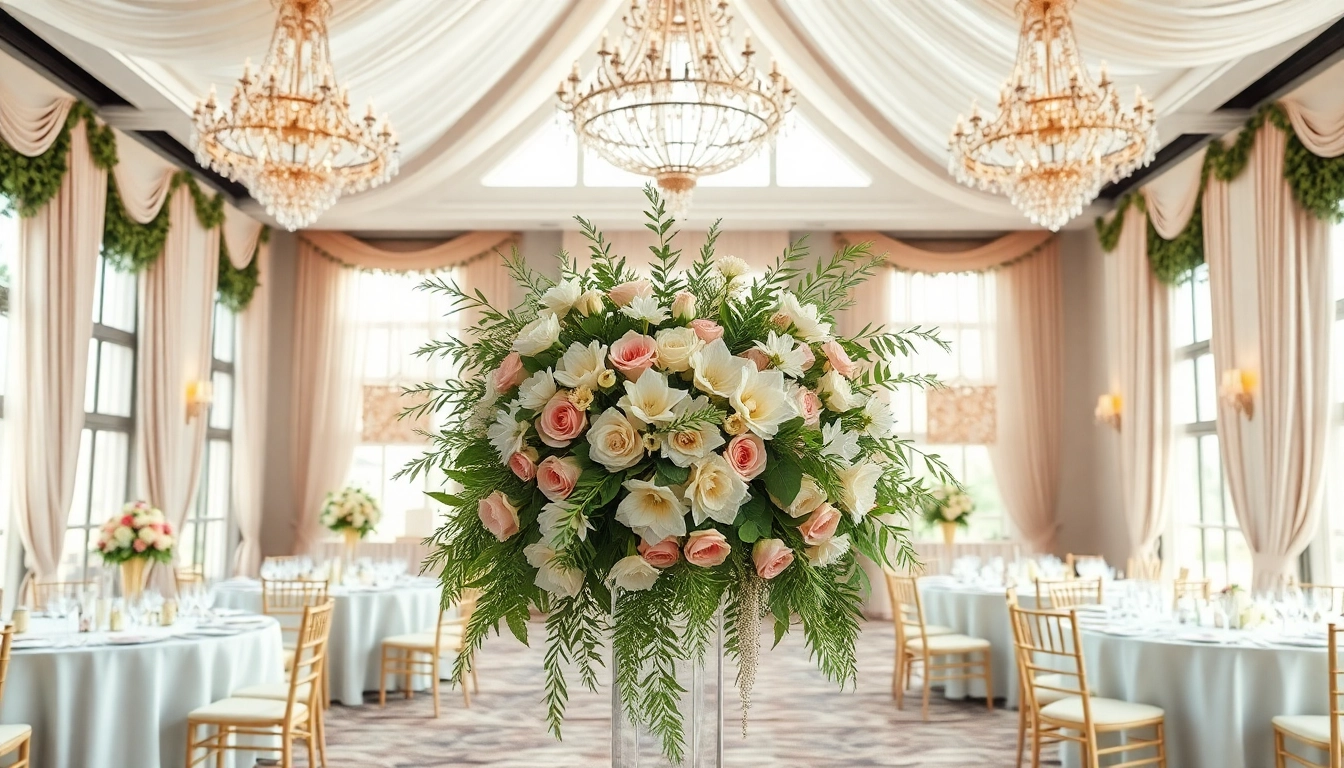
Your wedding style significantly influences your venue choice. While some couples envision grand, traditional ceremonies, others may prefer a casual, intimate affair. Identifying your theme—be it romantic, rustic, or modern—will help you focus your search. Creating a mood board that showcases colors, decor, and styles can be a practical initial step. This visual representation can help both you and your venue manager align your expectations and desires.
Key Features to Look For
When considering venues, think about the features that resonate with your style. Look for elements such as:
- Aesthetic Appeal: Does the venue’s architecture and décor align with your vision?
- Capacity: Ensure the venue can comfortably accommodate your guest list.
- Amenities: Consider kitchens for catering, sound systems, and lighting.
- Parking: Check for sufficient parking space for guests.
- Restrooms: Verify that there are enough facilities for the number of guests.
Importance of Location
The venue’s location plays a crucial role in accessibility for your guests. Consider proximity to accommodations for out-of-town attendees and ease of access via public transport. Scenic locations can offer stunning photographs; however, ensure they are not too remote to deter guest attendance. Research local attractions and activities to make your wedding more appealing to guests wishing to extend their stay.
Budgeting for Your Weddings Venue
Budgeting is vital within the wedding planning process. Understanding how much you can allocate to your venue helps narrow down options that suit your financial framework.
Setting a Realistic Budget
Begin by researching average venue costs to establish a realistic budget. Allocate 30-50% of your entire wedding budget to the venue to account for additional expenses like catering, decoration, and rentals. Understand trends in wedding pricing by consulting resources or industry professionals. Factor in flexibility to meet unexpected costs without compromising your vision.
Hidden Costs to Consider
Often, couples overlook hidden costs when finalizing their venue. Here are common expenses:
- Catering Fees: Many venues require in-house catering, affecting your budget.
- Service Charges: Venues may impose fees for various services, from setup to clean-up.
- Insurance: Depending on the venue, liability insurance may be necessary.
- Decor: Ensure you account for decor that aligns with your theme and venue style.
- Permits: Outdoor venues might need special permits for ceremonies or receptions.
Comparison of Different Venues
Once you have your budget, start comparing venues. List pros and cons, looking at cost, features, and location. Schedule visits to potential venues to understand their offerings better. Take notes and photographs, as this will help jog your memory later. Organizing feedback from family members or co-planners can also play a role in decision-making.
Venue Layout and Capacity
Understanding venue layout and capacity is essential for planning a comfortable wedding experience. A well-designed venue will enhance the flow of the event, allowing guests to mingle freely.
Designing the Perfect Floor Plan
Creating a floor plan is crucial for accommodating your guests comfortably. Consider areas for the ceremony, dining, dancing, and socializing. Engage with venue managers for their input on efficient layouts. Factor in space for essential elements like a dance floor, buffet area, or photo booth, ensuring easy access for guests.
Guest Capacity Considerations
Guest capacity directly impacts your venue choice. Always have a list of potential invitees, allowing immediate understanding of required space. Pay attention to the venue’s maximum capacity; cramming guests can lead to an uncomfortable atmosphere. On the other hand, renting an excessively large venue may leave it feeling deserted.
Accessibility for All Guests
Accessibility is paramount. Ensure your selected venue accommodates all guests, including those with disabilities or mobility issues. Check for features such as ramps, elevators, and accessible restrooms. The venue’s layout should facilitate free movement without hindrance and promote a welcoming atmosphere.
Unique Features of Memorable Weddings Venues
What makes a venue memorable often stems from the unique features it offers. Highlighting personal touches can enhance the overall experience.
Incorporating Personal Touches
Your venue should reflect your personalities and stories. Whether it’s the decor or specific arrangements, adding personal touches fosters a unique atmosphere. Consider displaying significant family items, personalized signage, or specialty cocktails that hold meaning for you as a couple.
Outdoor vs. Indoor Settings
Choosing between an indoor and outdoor Weddings Venue can significantly impact your wedding day. Each has its distinct advantages:
- Outdoor Venues: Typically offer stunning natural backgrounds and picturesque scenery.
- Indoor Venues: Allow for controlled environments, ideal for inclement weather or themed events.
Consider the season and weather when deciding on the venue type, and have a backup plan if choosing an outdoor setting.
Special Amenities Offered
Many venues come equipped with special amenities that can enhance your experience. Here are some features you may find appealing:
- In-house Catering: Some venues provide exceptional catering services.
- Unique Decor: Consider venues with built-in decor or aesthetic features to minimize rental costs.
- Bridal Suites: Access to space for the bridal party can streamline preparations on the wedding day.
- On-site Coordination: Venue coordinators can assist in managing logistics on the day.
Finalizing the Weddings Venue Decision
After considering all crucial factors, it’s time to finalize your decision. However, this stage is equally important as it solidifies your wedding day plans.
Effective Communication with Venue Managers
Communication with venue managers is essential before making any commitments. Discuss your vision openly and ensure they understand your expectations. A responsive venue manager can guide you through potential discrepancies and offer helpful suggestions based on past experiences.
Confirming Reservations and Contracts
Once confident in your choice, proceed to finalize the reservation. Read through the contract meticulously, outlining payments, cancellation policies, and services included. Ensure you have a detailed timeline for payments and other essentials to maintain smooth communication moving forward.
Planning for Contingencies
Always have a contingency plan. From weather issues for outdoor events to vendor delays, plan for uncertainties. Have backup plans in place and communicate these to your venue manager. The best wedding days are those that maintain flexibility while ensuring your vision remains intact.
FAQs About Weddings Venues
1. What should I consider when choosing a wedding venue?
Consider your budget, the venue’s capacity, location, and available amenities when choosing your wedding venue.
2. How early should I book my wedding venue?
It’s best to book your venue 12 to 18 months in advance to secure your preferred date.
3. Are there hidden costs associated with wedding venues?
Yes, consider additional costs like service charges, insurance, décor, and catering options that may not be included in base pricing.
4. Is outdoor wedding venue booking risky?
Yes, as weather can be unpredictable. Always have a backup plan or indoor option to ensure a smooth day.
5. Can I decorate the wedding venue myself?
It depends on the venue’s policies. Always check with the venue manager before planning any DIY decor.