Introduction to Fluid Power Systems
Fluid power systems are pivotal in various modern applications, harnessing the energy from liquids and gases to power machines and automate processes. These systems can be found in industries ranging from manufacturing to aerospace, showcasing their versatility and efficiency. The technology roots lie deep in the principles of fluid dynamics, showcasing their importance in today’s technologically advanced world, especially in terms of maximizing performance and efficiency in machinery operations. Understanding the intricacies of fluid power systems is essential for engineers, technicians, and industries that rely on hydraulic and pneumatic systems.
What are Fluid Power Systems?
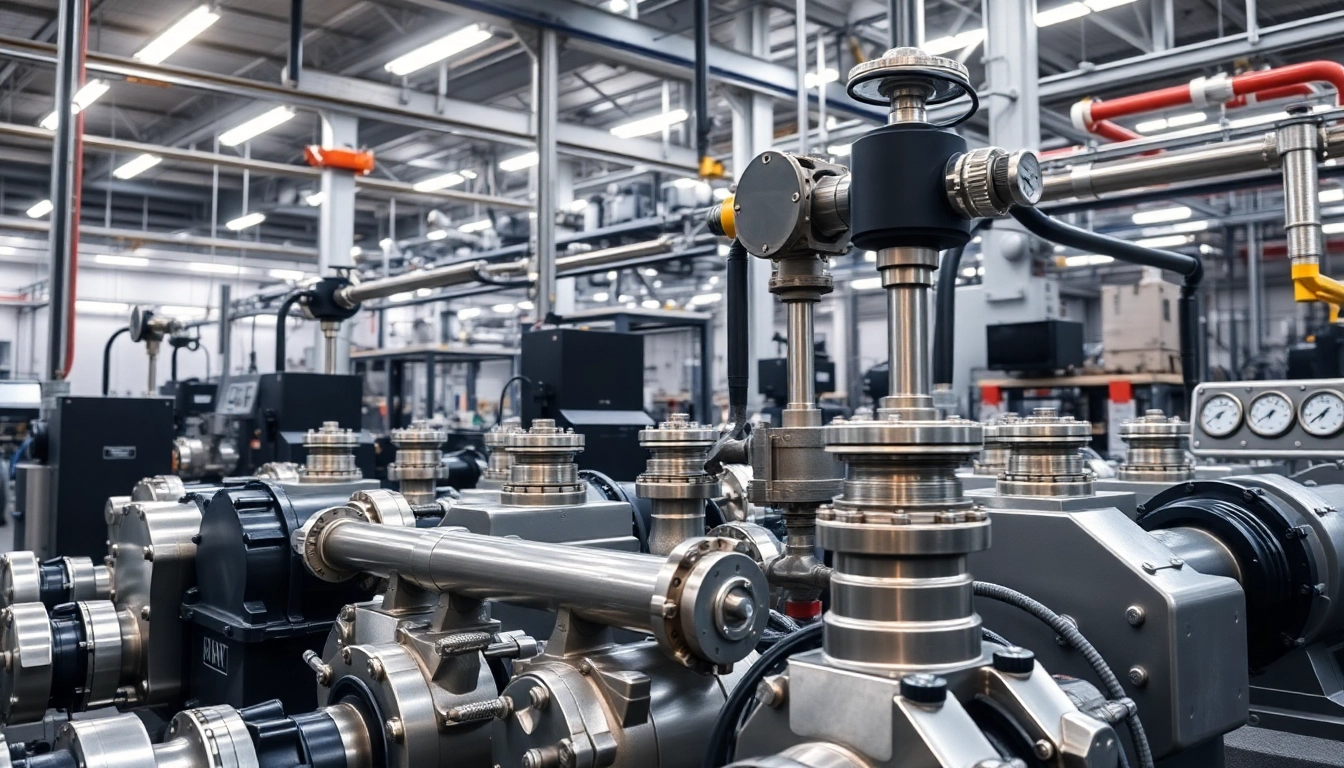
Fluid power systems are technologies that use fluids under pressure to generate, control, and transmit power. The two main types of fluid power systems are hydraulic systems, which utilize liquids, and pneumatic systems, which utilize gases. Both systems operate on similar principles, where pressurized fluids activate components to perform work. For instance, hydraulic systems use incompressible fluids, typically oil, while pneumatic systems rely on compressible gases, commonly air. Understanding their functioning provides insights into their applications and advantages.
Basic Principles of Fluid Dynamics
The functioning of fluid power systems hinges on several fundamental principles of fluid dynamics, such as Bernoulli’s principle, Pascal’s law, and the continuity equation. Bernoulli’s principle, for instance, explains how fluid velocity and pressure are interrelated. Pascal’s law states that a change in pressure applied to an enclosed fluid is transmitted undiminished throughout the fluid. Mastering these principles is crucial for optimizing system performance and solving fluid dynamics-related challenges in operation.
The Importance in Modern Industries
Fluid power systems play an integral role in various industries, including automotive, aerospace, construction, and manufacturing. They facilitate automation, enabling machines to perform complex tasks with precision and speed. Moreover, they enhance safety by minimizing human exposure to hazardous environments and streamline processes, ultimately improving productivity. Understanding the significance of fluid power systems is paramount for engineers and industry professionals aiming to implement advanced automation solutions.
Types of Fluid Power Systems
Fluid power systems can be categorized into different types based on their design and application. The two primary categories—hydraulic systems and pneumatic systems—serve distinct needs across various industries, each with unique characteristics and operational principles.
Hydraulic Systems Explained
Hydraulic systems utilize pressurized liquid to effectuate motion and power. They are broadly used in applications that require a considerable amount of force exerted over short distances. Common components include pumps, valves, cylinders, and tubes. Hydraulic systems are acclaimed for their excellent power-to-weight ratio and efficient energy transfer capabilities. Industries such as construction frequently utilize hydraulic systems for heavy machinery, like excavators and loaders, showcasing their strength and effectiveness.
Pneumatic Systems Overview
Pneumatic systems, on the other hand, employ compressed air to generate power. These systems are ideal for applications that require rapid movement and lower force compared to hydraulic systems. Key components include compressors, actuators, and valves. Pneumatics are widely applied in manufacturing environments for tasks such as conveyor systems and robotic arms, where speed and flexibility are essential. Their clean and safe operation makes them preferable in food processing and other sanitation-sensitive industries.
Electro-Hydraulic Systems
Electro-hydraulic systems combine hydraulic performance with electrical control, presenting a modern solution that enhances precision and adaptability. By using electric motors to drive hydraulic pumps or actuate valves, these systems offer improved control over system functionality, allowing for precise adjustments and energy efficiency. Electro-hydraulic systems are increasingly adopted in advanced manufacturing and robotics, where complexities necessitate high levels of automation and accuracy.
Applications of Fluid Power Systems
Fluid power systems find applications in a wide array of fields, serving as essential components across various machinery and technologies. Understanding their applications helps industries leverage these systems for optimized performances and increased efficiencies.
Industrial Automation and Robotics
In industrial automation, fluid power systems enhance production capabilities by powering robotic systems and automated machinery. They provide the necessary strength and speed for tasks that require precision, such as assembly, packaging, and material handling. Robotic arms powered by pneumatic or hydraulic systems can execute complex movements, making them vital in assembly lines and advanced manufacturing processes.
Construction and Heavy Machinery
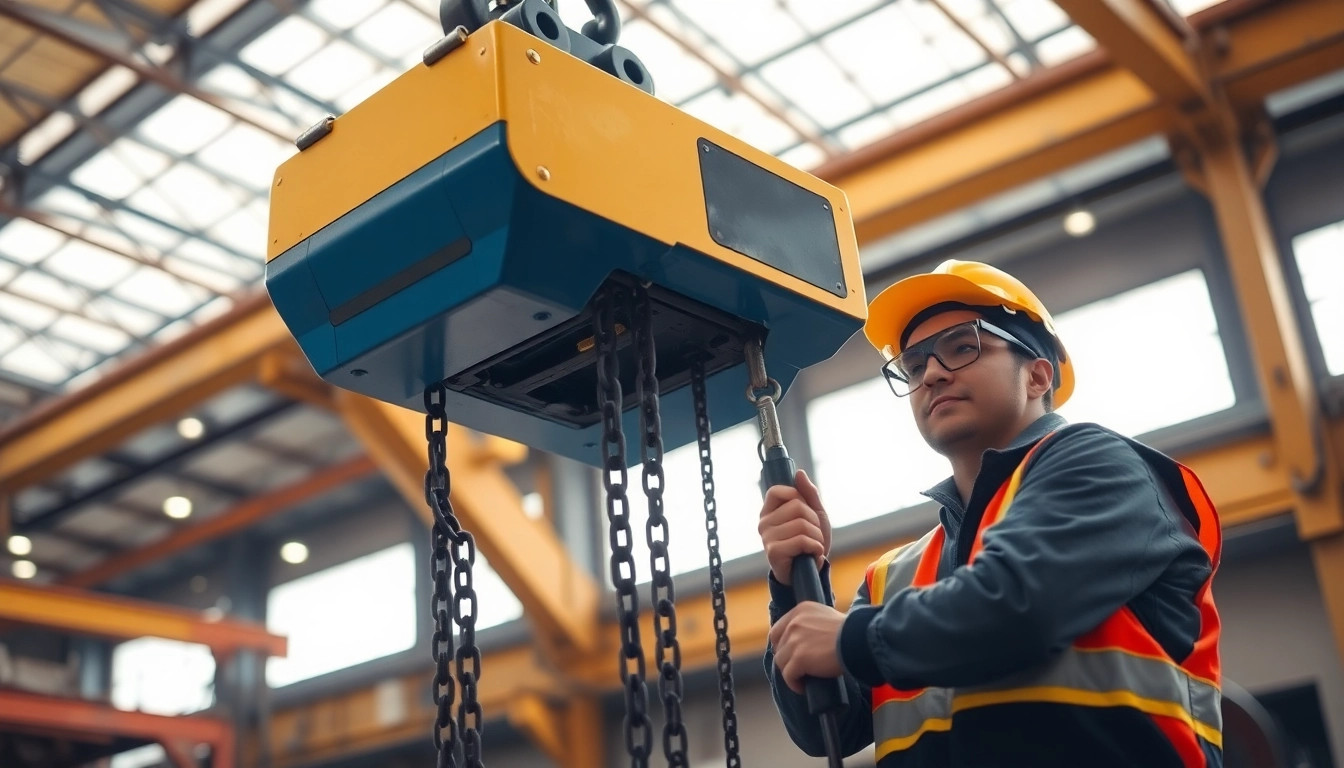
Construction machinery heavily relies on fluid power systems operating hydraulic systems to undertake tasks such as digging, lifting, and grading. Excavators, loaders, and cranes demonstrate how hydraulic power enables heavy lifting and operation in challenging environments. The strength and reliability of hydraulic systems make them indispensable in construction, facilitating the efficient completion of projects.
Automotive Systems
Automobiles extensively utilize pneumatic and hydraulic systems to enhance performance and safety. Hydraulic braking systems, power steering, and suspension systems are all examples of fluid power in action. With advancements in technology, the integration of fluid power systems in vehicles has improved safety, responsiveness, and overall driving experience, highlighting the ongoing evolution in automotive technology.
Benefits of Implementing Fluid Power Systems
Integrating fluid power systems offers a multitude of advantages that impact operational efficiency and productivity positively. Understanding these benefits is crucial for industries considering adopting these systems.
Efficiency and Power Control
Fluid power systems are celebrated for their efficiency, allowing for precise control of power delivery based on varying load conditions. This capacity for control enhances overall system performance and reduces energy wastage. Consequently, industries benefit from streamlined operations, leading to improved throughput and reduced production costs.
Safety and Reliability
Fluid power systems, particularly hydraulics, are highly reliable due to their robust design and minimal moving parts. The containment of fluids under pressure ensures safe operation in various applications. Furthermore, pneumatic systems, being air-based, contribute to safer work environments by mitigating risks associated with electrical hazards or flammable materials.
Cost Savings in Operations
Implementing fluid power systems often leads to substantial cost savings in operations through decreased maintenance and operational costs. Their reliability minimizes downtime, and efficient energy usage reduces utility expenses. Additionally, the longevity and durability of these systems provide significant return on investment, ensuring sustainable operations over time.
Best Practices for Fluid Power Systems Maintenance
Maintaining fluid power systems is essential to ensure long-term operational efficacy and safety. Applying best practices in maintenance can prevent wear and tear while maximizing system reliability.
Routine Inspection Protocols
Establishing a routine inspection protocol is crucial for identifying potential issues before they escalate. Regular assessments of hydraulic fluids, seals, and connections ensure system integrity. Operators should monitor performance metrics and inspect for leaks, which are indicative of system failures. Educational training for staff on maintenance best practices further enhances vigilance regarding system upkeep.
Common Issues and Troubleshooting
Common problems in fluid power systems include fluid contamination, component wear, and leaks. Addressing contamination can involve filtering fluids and maintaining cleanliness in work environments. Regularly inspecting hydraulic hoses and seals can preemptively identify wear. Implementing thorough troubleshooting procedures allows technicians to diagnose and remedy issues effectively, reducing the risk of downtime.
Future Innovations in Fluid Power Technology
The future of fluid power technology is poised for transformation through innovations such as smart sensors, IoT integration, and advanced control systems. These developments to facilitate enhanced monitoring and real-time data analytics will empower operators to optimize system performance and troubleshoot more effectively. With sustainability at the forefront, new materials and designs are being developed to improve efficiency and reduce energy consumption in fluid power applications.
FAQs
What are fluid power systems?
Fluid power systems use pressurized fluids to generate and control power, primarily encompassing hydraulic and pneumatic systems.
What industries utilize fluid power systems?
Fluid power systems are used across various industries, including manufacturing, aerospace, construction, and automotive sectors.
How do hydraulic systems differ from pneumatic systems?
Hydraulic systems use incompressible liquids, while pneumatic systems employ compressible gases for power transmission.
What is the main advantage of fluid power systems?
Fluid power systems offer high power density, allowing for heavy lifting and precise control in various applications.
How can I maintain a fluid power system?
Routine inspections, monitoring performance, and addressing leaks are essential practices for maintaining fluid power systems effectively.
Contact Information
Call Us: 1 780-452-2876
Email: [email protected]
Address: 13111 159 St NW, Edmonton, AB, Canada, T5V 1H6