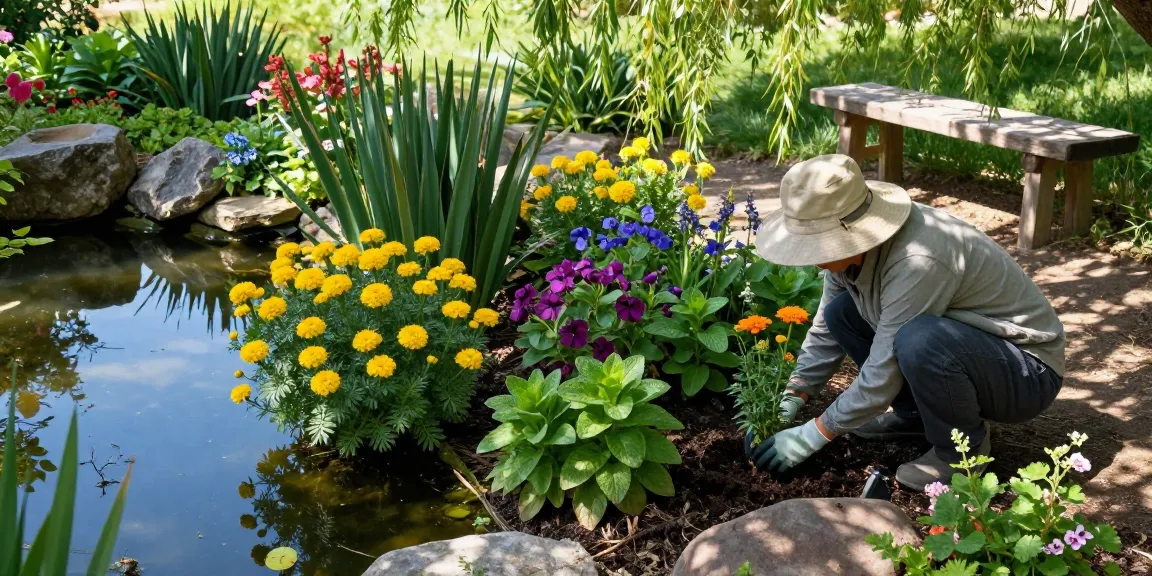
Understanding Marginal Pond Plants
Marginal pond plants play a crucial role in enhancing the aesthetics and functionality of garden ponds and water features. These plants grow at the water’s edge and are characterized by their ability to thrive in saturated soil. They not only add beauty to your pond landscape but also contribute significantly to the overall health of the aquatic ecosystem. If you’re looking to enrich your garden with these essential flora, you might want to Buy Marginal Pond Plants that are well-suited for your environment.
What are Marginal Pond Plants?
Marginal pond plants are species that naturally grow in the zones surrounding freshwater bodies, typically where the water is shallow. These plants can be partially submerged or fully emerged, depending on the specific variety. They are crucial for developing a healthy pond ecosystem as they provide shelter for wildlife and help with water filtration. Common examples include species such as Juncus effusus (soft rush), Carex species (sedges), and Thalia dealbata (coastal swamp lily).
Benefits of Adding Marginal Plants to Your Pond
Incorporating marginal plants into your pond environment offers numerous benefits, including:
- Water Quality Improvement: These plants help filter out pollutants and absorb excess nutrients, leading to clearer water.
- Wildlife Habitat: Marginal plants provide essential habitat for frogs, insects, and birds, thereby enhancing biodiversity.
- Aesthetic Value: They create a natural border and enhance the visual appeal of the pond with their vibrant colors and textures.
- Erosion Control: The root systems of these plants stabilize the soil, preventing erosion along the pond edges.
Common Types of Marginal Pond Plants
Several species thrive as marginal pond plants, each offering unique benefits to your aquatic environment. Some of the most popular include:
- Lythrum salicaria (Purple Loosestrife) – Known for its striking purple flowers, it attracts bees and butterflies.
- Alisma plantago-aquatica (Water Plantain) – Features broad leaves and delicate white to pink flowers, and it’s an excellent food source for wildlife.
- Butomus umbellatus (Flowering Rush) – Produces beautiful umbrella-like clusters of flowers and is ideal for creating visual interest.
- Cardamine pratensis (Cuckoo Flower) – This plant flourishes in damp areas and blooms beautifully in spring.
Choosing the Right Marginal Pond Plants
Selecting the appropriate marginal plants for your pond requires careful consideration of various factors to ensure successful growth and integration into your ecosystem.
Factors to Consider When Buying Marginal Plants
When purchasing marginal pond plants, consider the following:
- Climate Compatibility: Ensure the plant varieties are suitable for your local climate conditions to promote healthy growth.
- Water Depth: Different plants thrive at varying depths; thus, understanding the water levels in your pond is essential.
- Soil Type: Some plants prefer sandy soils, while others thrive in clay or loamy substrates. Ensure compatibility for optimal growth.
- Sunlight Exposure: Assess the amount of sunlight your pond receives to choose plants that will flourish in those light conditions.
Top Marginal Plants for Different Climate Zones
Different climate zones require tailored choices to ensure marginal plants thrive. Here are some recommendations:
- Cool Temperate Zones: Juncus effusus and Sagittaria latifolia (Broadleaf Arrowhead) are excellent choices.
- Warm Temperate Zones: Thalia dealbata and Iris pseudacorus (Yellow Flag Iris) thrive well.
- Tropical Zones: Hibiscus moscheutos (Swamp Rose Mallow) and Cyperus alternifolius (Umbrella Plant) perform effectively.
Where to Buy Quality Marginal Pond Plants
It’s important to source your marginal plants from reputable suppliers to ensure you receive healthy and vibrant specimens. Consider visiting local nurseries, specialized garden centers, or trusted online retailers. Check customer reviews and product ratings to gauge the quality of the plants offered.
Planting and Care Guidelines
Proper planting and maintenance are vital to the success of your marginal plants. Here are some essential guidelines to follow.
Steps for Planting Marginal Pond Plants
- Prepare the Area: Clear the planting spot of debris and old vegetation to provide a clean slate for new plants.
- Soil Preparation: Amend the soil with organic compost to enhance fertility and moisture retention.
- Planting: Place the plants at the desired depth, ensuring the root crown is just above the water surface.
- Watering: After planting, water thoroughly to settle the soil around the roots.
Seasonal Care and Maintenance Tips
To maintain healthy marginal plants throughout the seasons, follow these tips:
- Spring: Fertilize with an organic pond fertilizer to promote growth.
- Summer: Monitor moisture levels, especially during dry spells, and trim back any dead foliage.
- Autumn: Cut back plants to about 6 inches above the waterline before the first frost.
- Winter: In colder climates, consider mulching around the base of plants to protect the roots from freezing.
Common Issues and How to Resolve Them
Despite your best efforts, you may encounter some challenges with your marginal plants. Common issues include:
- Pest Infestations: Regularly inspect plants for insects; natural remedies like neem oil can help control pests.
- Overgrowth: Remove excess plants to prevent overcrowding and competition for resources.
- Water Quality Decline: Regularly test water quality; use activated carbon filters to help maintain clarity.
Enhancing Your Pond’s Ecosystem
Integrating marginal plants into your pond aids in creating a balanced ecosystem that supports various forms of wildlife.
Creating a Balanced Ecosystem with Marginal Plants
A balanced pond ecosystem comprises plants, fish, insects, and microorganisms. Marginal plants are at the forefront, providing food and habitat that support the food web within the pond.
The Role of Marginal Plants in Water Filtration
Marginal plants assist in breaking down pollutants through natural filtration processes. Their roots absorb excess nutrients, controlling algae growth and maintaining water quality, which is vital for fish and other aquatic organisms.
Encouraging Wildlife with Your Pond Plants
By strategically planting marginal species, you can create inviting habitats that attract a variety of wildlife, including birds, amphibians, and beneficial insects. This biodiversity not only enriches your pond’s ecosystem but also adds to its beauty and interest.
Future Trends in Pond Gardening
The landscape of pond gardening is evolving, with innovative trends emerging to enhance aquatic environments further.
Emerging Marginal Plant Varieties for 2026
As horticulturists continue to breed and discover new plant varieties, we can expect an increase in hybrids that offer improved resilience and aesthetics, such as new forms of Iris and unique color variants of Thalia species.
Innovative Pond Designs Featuring Marginal Plants
Pond designs are becoming more creative, incorporating features such as integrated plant shelves and floating islands, which not only beautify the space but also provide habitats for marginal plants and wildlife.
Eco-Friendly Practices for Sustainable Pond Gardening
With the growing awareness of environmental issues, sustainable practices are at the forefront of pond gardening. This includes using native plants, reducing chemical usage, and implementing water-conserving irrigation methods.
What are the benefits of marginal plants in ponds?
Marginal plants enhance water quality, provide habitats for wildlife, prevent erosion, and improve the overall aesthetic of pond environments.
How do I care for my marginal pond plants?
Caring for marginal plants involves proper planting techniques, regular maintenance, seasonal pruning, and monitoring for pests and diseases.
Can I grow marginal plants in containers?
Yes, many marginal plants can thrive in containers, making them a great option for smaller spaces or controlled environments.
What are the best conditions for growing marginal pond plants?
Marginal pond plants typically prefer moist to wet soil conditions with plenty of sunlight, although some can tolerate shade.
How do marginal plants affect pond wildlife?
Marginal plants provide critical habitats for various wildlife species, offering food, shelter, and breeding grounds, thus enriching the ecosystem.