
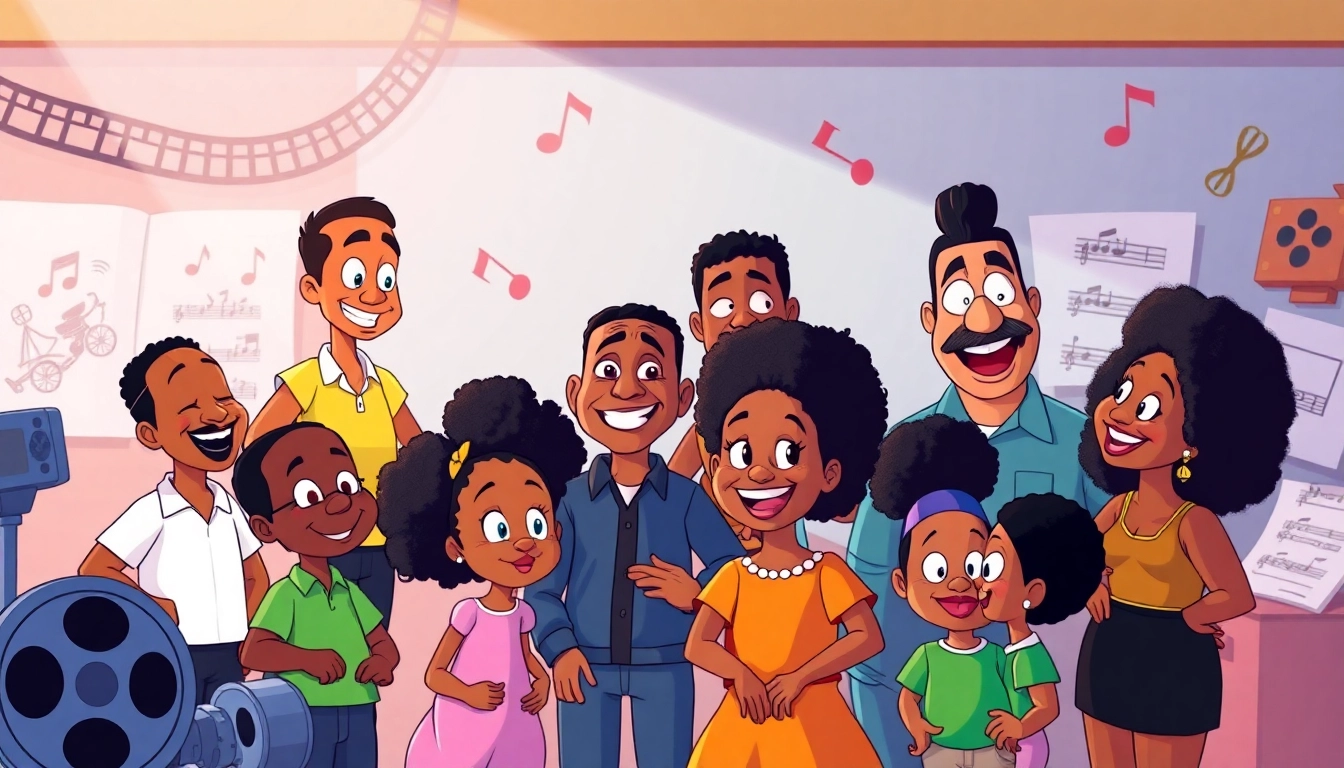
The Importance of African American Cartoons in Animation
Animation has long served as a powerful medium to reflect cultural identities and societal norms, and African American cartoons play a vital role in this narrative. From evoking laughter to addressing critical social issues, these animated series offer insights into the diverse experiences of Black communities. They also present opportunities for children to see themselves represented in ways that uplift and inspire. With platforms like African American Cartoons offering a plethora of content, audiences can explore a rich tapestry of stories that celebrate Black culture.
Understanding Cultural Representation in Animation
Cultural representation in animation is essential for fostering understanding and empathy across different communities. African American cartoons allow for an exploration of identity, heritage, and the realities of living as a Black individual in America. These series not only entertain but also educate audiences about the nuances of African American culture, showcasing various traditions, language, and values. For instance, shows like “The Boondocks” and “The Proud Family” invite viewers to discuss themes of racial identity, social justice, and family dynamics while providing relatable and engaging narratives.
The Impact of African American Cartoons on Society
The impact of African American cartoons extends beyond entertainment. They challenge stereotypes and provide counter-narratives to the often negative portrayals of Black individuals in mainstream media. By centering Black experiences, these shows empower viewers to embrace their identities and understand the beauty of diversity. For example, “Static Shock” introduced young audiences to topics like racism, bullying, and social responsibility through the lens of a Black superhero, making vital conversations accessible to children and teens.
Historical Evolution of African American Character Designs
The evolution of character designs in African American animation illustrates how societal perceptions have transformed over the decades. Early representations often relied on stereotypes, but as the industry progressed, creators began to depict more nuanced and authentic representations. Characters like Huey and Riley Freeman from “The Boondocks” embody intellectualism and social awareness, while characters from modern series like “Craig of the Creek” introduce fresh, relatable perspectives that resonate with today’s youth.
Notable African American Cartoons to Watch
Top 10 Iconic African American Animated Series
As we delve deeper into the world of African American cartoons, several series stand out due to their impact and cultural significance. Here’s a list of ten must-watch shows:
- The Boondocks
- The Proud Family
- Static Shock
- Afro Samurai
- Doc McStuffins
- Craig of the Creek
- Motown Magic
- The Amazing World of Gumball (with diverse representation)
- Bebe's Kids
- Fat Albert and the Cosby Kids
These series not only entertain but also educate viewers on various aspects of African American culture, making them essential elements of the animation landscape.
Innovative Characters in Modern Animation
In recent years, the animation industry has seen a surge in innovative characters that reflect the complexity and diversity of the African American experience. Characters like Doc McStuffins, a young Black girl aspiring to be a doctor, and Craig from “Craig of the Creek,” who explores friendship and adventure in his neighborhood, serve as positive role models for children. These characters break from traditional molds, showcasing strength, intelligence, and creativity while inviting young audiences to explore their potential.
Cult Classics that Defined Generations
Cult classics in African American animation remain significant in shaping cultural narratives and influencing new generations. Shows like “The Boondocks” have become staples, known for their sharp humor and social commentary. Similarly, “The Proud Family” remains beloved for its authentic portrayal of a Black family navigating everyday life, addressing issues such as identity, community, and family dynamics. These series resonate with audiences, fostering a sense of belonging and cultural pride.
Educational Value of African American Cartoons
Teaching History and Culture via Animation
Animation provides an engaging medium for teaching history and culture, especially when it comes to African American narratives. By weaving historical events into storylines, animated series can convey complex topics in a manner that is accessible to younger audiences. For instance, “The Proud Family” often tackles social issues relevant to African American communities, encouraging discussions around history and cultural awareness.
Programs that Promote Diversity and Inclusion
Several programs aim to promote diversity and inclusion through animation, ensuring that African American voices are heard and celebrated. Initiatives within educational systems have started to incorporate African American cartoons as tools for teaching essential life lessons about empathy, equity, and understanding. Shows like “Doc McStuffins” not only provide representation but also empower children from diverse backgrounds to pursue their dreams.
Learning through Entertainment: Case Studies
Case studies have shown that children engage with educational content more effectively when conveyed through familiar and entertaining formats like cartoons. Programs featuring African American characters have demonstrated positive impacts on children's self-esteem and cultural awareness. For example, a study found that viewers of “Doc McStuffins” reported increased interest in healthcare careers among young Black girls, showcasing the show's role in shaping aspirations and career paths.
Challenges in the Animation Industry for African American Creators
Barriers to Entry for Black Animators
Despite the progress made, significant barriers remain for Black animators in the industry. Access to opportunities and funding often favors established creators, leaving emerging Black talents struggling to break through. This disparity hinders the diversity of voices and stories represented in animation, perpetuating a cycle that needs to be addressed by industry leaders and policymakers.
Representation behind the Scenes: Directors and Producers
Behind the scenes, representation is just as crucial as in front of the camera. African American directors and producers have the power to influence the narratives presented in animation. However, lack of access to top leadership roles has resulted in limited perspectives being represented. Promoting diversity in hiring practices is essential for fostering an inclusive environment where a wider range of stories can thrive.
Facing Stereotypes: Challenges in Storytelling
Creators of African American cartoons often face the challenge of combatting stereotypes. When crafting stories, they must balance authentic representation with societal expectations. The fear of conforming to stereotypes can lead to self-censorship, limiting the scope of storytelling. It is crucial for audiences to support diverse narratives that reflect the full spectrum of Black experiences.
The Future of African American Cartoons: Trends for 2026 and Beyond
Emerging Voices in Animation
The animation industry is beginning to witness an influx of emerging voices that reflect the complexities of the African American experience. As more Black creators gain visibility, audiences can expect a broader range of narratives that explore diverse themes and experiences. Projects led by Black animators are growing in number, promising a future filled with exciting content that breaks traditional boundaries.
Technological Innovations Enhancing Storytelling
Technological advancements are transforming how stories are told, providing new avenues for creators to share their narratives. Innovations in animation software and platforms allow for unique storytelling techniques that can resonate with audiences in fresh ways. Virtual reality and augmented reality features are beginning to emerge within animated content, creating immersive experiences that artistically depict African American stories.
Predictions for New Series and Characters
As we move towards 2026, predictions indicate that we will see an increase in new animated series featuring diverse characters. Inspired by current sociocultural movements, these shows will likely explore themes of identity, healing, and community resilience, offering representations that resonate with today’s audience. Furthermore, the demand for inclusive content will continue to shape the programming strategies of networks and streaming platforms alike.