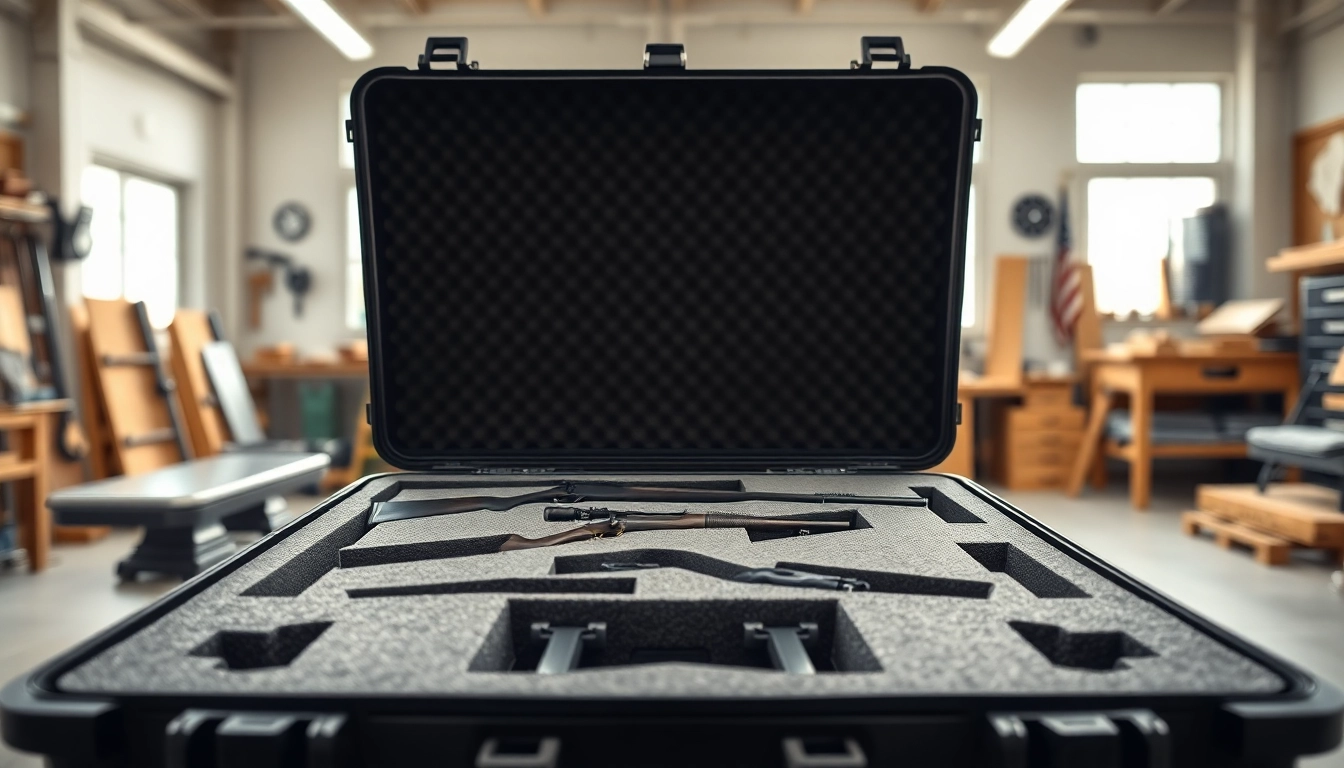
Understanding the Importance of Foam for Rifle Case
When it comes to safely transporting firearms, the right foam for rifle case can make all the difference. Foam provides support, cushioning, and protection for your rifle, ensuring it remains in prime condition during travel and storage. Selecting the right foam not only safeguards the firearm but also enhances the overall user experience, making it vital for firearm owners and enthusiasts alike.
What is Foam for Rifle Case?
Foam for rifle cases is specially designed material used to line and pad gun cases to provide protection and support for firearms. Generally, this foam comes in different types and densities, each offering varying levels of shock absorption, rigidity, and weight. It can be either pre-cut to fit specific firearm models or customizable, allowing users to create tailored setups that secure their rifles effectively.
The Role of Foam in Protecting Firearms
Foam plays a crucial role in the protection of rifles during transit. The primary functions of foam include:
- Shock Absorption: Firearms can be sensitive to impact. Foam absorbs shocks from bumps while traveling, preventing damage to vital components.
- Moisture Resistance: Quality foam materials can resist moisture, helping to maintain your rifle’s finish and functionality.
- Secure Fit: Properly cut foam keeps firearms in place, preventing movement that could lead to scratches or internal damage.
- Customization: Foam can be molded or cut to contour the shape of your firearm, offering better support compared to generic padding options.
How to Select the Right Foam Density
Choosing the right foam density is critical for providing adequate protection. Foam density is measured in pounds per cubic foot (PCF), and typically, higher density foam offers sturdier support but can also be heavier. For firearms, consider the following:
- Lightweight Foam: Ideal for those looking for portable solutions without sacrificing protection.
- High-Density Foam: Best suited for heavy-duty protection during extended travel or in rugged conditions.
- Balancing Act: It’s crucial to strike a balance between weight, protection level, and intended use to select the most suitable density.
Types of Foam for Rifle Case
There are several types of foam to choose from for rifle cases, each with its benefits and specific applications.
Closed-Cell Foam: Benefits and Uses
Closed-cell foam consists of tightly packed cells that do not absorb moisture. Key benefits include:
- Water Resistance: Excellent choice for environments where moisture may be a concern.
- Durability: Resistant to deterioration, making it long-lasting even under harsh conditions.
- Shock Absorption: Provides high levels of cushioning while maintaining structural integrity.
This type of foam is commonly used in rifle cases placed in wet conditions or during outdoor activities.
Open-Cell Foam: When to Use It
Open-cell foam features a more porous structure, allowing air and moisture to pass through. This can be advantageous in specific scenarios:
- Breathability: Ideal when moisture management is less of a concern, allowing firearms to breathe.
- Lightweight: Generally lighter than closed-cell foam, boosting portability.
- Ease of Customization: Easier to cut and mold, perfect for DIY enthusiasts looking to customize their rifle cases.
However, it’s essential to consider the protection level as open-cell foam may not provide as robust shock absorption as closed-cell variants.
Comparing Foam Materials for Optimal Protection
When selecting foam material for rifle cases, consider comparing different types such as polyurethane, polyethylene, and memory foam:
- Polyurethane: Highly versatile and widely used, it offers excellent cushioning at a reasonable price.
- Polyethylene: More rigid and durable, providing better shock resistance; ideal for cases needing extra care.
- Memory Foam: Offers custom contouring, providing exceptional comfort but may not be the best for all applications due to its less stable structure.
Understanding the differences in these materials will aid users in making the best choice for their specific needs.
Customizing Your Foam for Rifle Case
Customization is key to ensuring a perfect fit for your rifle, enhancing both protection and accessibility.
How to Cut Foam for Rifle Case Fits
To achieve a perfect fit, cutting foam correctly is essential. Follow these steps:
- Measure Your Rifle: Accurate measurements will guide your cutting.
- Select the Right Tools: Use a sharp utility knife or electric knife for clean cuts.
- Trace Your Design: Use a marker to outline the shape of the rifle before cutting.
- Test Fit: After cutting, place your rifle in the foam to ensure it fits snugly.
This process not only maximizes protection but also enhances the visual appeal of your rifle case.
Popular Foam Inserts for Specific Models
Different firearm models often require unique foam configurations. Some popular inserts include:
- AR-15 Inserts: Typically feature cut-outs for the lower and upper receivers, along with space for magazines and accessories.
- Shotgun Inserts: Usually accommodate longer barrels with adjustable cut-outs for various configurations.
- Scoped Rifle Inserts: Designed with additional space to compensate for optics, ensuring the firearm fits firmly.
These ready-made options can dramatically simplify the setup process for many users.
DIY vs. Pre-Cut Foam Inserts
Deciding between DIY customization and purchasing pre-cut foam inserts comes down to personal preference and needs:
- DIY Inserts: Offer ultimate flexibility and personalization but may require time and skill.
- Pre-Cut Inserts: Save time and come ready for use, but might lack the perfect fit for every individual firearm.
Weighing these pros and cons will help you make the best choice for your specific situation.
Maintenance Tips for Foam in Rifle Cases
Proper maintenance of foam inserts is essential for longevity and effectiveness. Here are some key strategies:
Cleaning Your Foam Inserts
To keep foam inserts clean, wipe them down regularly with a damp cloth. For deeper cleaning:
- Use Mild Detergent: Mix a mild soap solution and gently scrub the foam with a soft brush.
- Rinse Thoroughly: Ensure no soap remains to prevent degradation of the foam material.
- Air Dry: Let the foam dry completely before reassembly to avoid trapping moisture.
Regular cleaning helps maintain the integrity and appearance of the foam.
How to Store Rifle Cases with Foam Properly
Storage conditions significantly impact the lifespan of foam inserts:
- Avoid Direct Sunlight: Prolonged exposure can degrade foam material over time.
- Store in a Dry Place: Keeping the rifle case in dry environments prevents mold and mildew growth.
- Avoid Heavy Pressure: Ensure other objects do not compress the foam while in storage.
Following these storage tips will help guarantee the longevity and performance of your foam.
Signs Your Foam Needs Replacement
Knowing when to replace foam inserts is crucial for maintaining firearm protection. Watch for these signs:
- Compression: If the foam shows signs of being flattened and lacks resilience.
- Cracking or Brittle Texture: Damaged foam can no longer provide adequate protection.
- Odor: Moldy or musty smells indicate potential degradation or moisture issues.
Acting on these signs will ensure your rifle remains well protected.
Best Practices for Choosing Foam for Rifle Case
Making an informed decision when selecting foam for rifle cases requires careful consideration of several factors.
Assessing Your Specific Needs
Before purchasing foam, evaluate the following:
- Type of Firearm: Different firearms require different levels of support and cushioning.
- Usage Scenarios: Consider whether the cases will be used for travel, storage, or both.
- Environmental Factors: Think about moisture, temperature, and other external elements that may impact foam performance.
This assessment will help guide you to the most suitable foam options.
Balancing Cost and Quality
While it may be tempting to choose the cheapest option available, investing in quality foam is crucial for protecting your firearm:
- Understand the Trade-offs: Cheaper foam may not provide the necessary protection and support.
- Long-term Consideration: High-quality foam may entail a higher initial cost but could save money by reducing damage over time.
- Research and Reviews: Look for materials with positive feedback from other firearm owners.
Balancing cost with quality will lead to a better long-term investment.
Where to Purchase Quality Foam for Rifle Case
Quality foam can be sourced from various platforms:
- Specialty Retailers: Specific stores cater to firearm accessories and offer specialized foam options.
- Online Platforms: E-commerce websites provide numerous options, often with user reviews available for assessment.
- Local Gun Shops: Many shops carry foam inserts tailored for specific models, providing an opportunity for hands-on inspection.
Consider visiting a mix of these sources to find the best fit for your needs.
Frequently Asked Questions
1. What type of foam is best for a rifle case?
Closed-cell foam is often preferred for its moisture resistance and durability, making it ideal for protecting firearms in various conditions.
2. How do I measure my rifle for custom foam?
Take accurate measurements of the rifle’s length, width, and any accessories. An outlined template can help ensure a snug fit.
3. Can I wash foam inserts?
Yes, use a mild detergent and a soft brush for cleaning. Ensure the foam dries completely before storing it again.
4. How often should I replace my foam inserts?
Foam should be replaced when it shows signs of wear and compression, usually every few years with regular use.
5. Is pre-cut foam worth the cost?
Pre-cut foam can save time and provide a reliable fit, making it worth the investment for many users, especially those not comfortable with DIY.