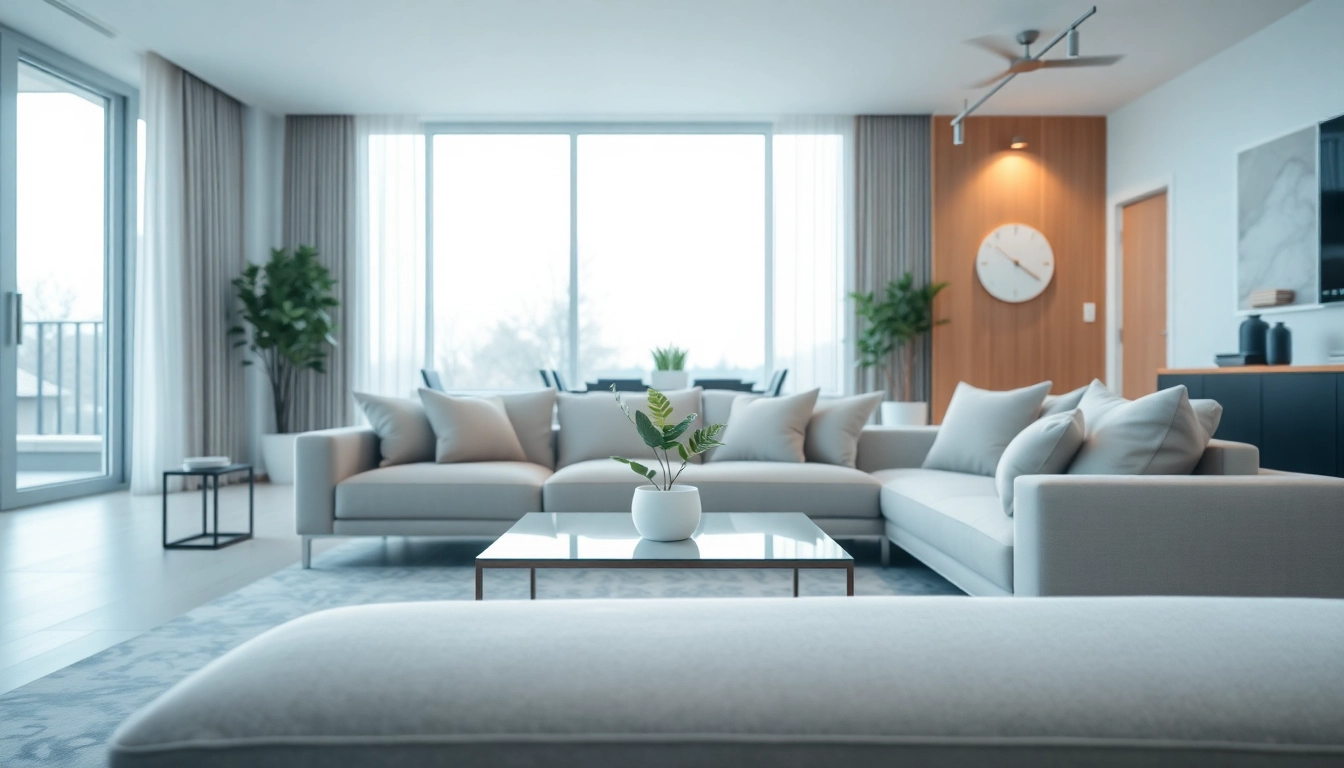
The Concept of Seamless Living
As the pace of modern life accelerates, the concept of Seamless Living emerges as a profound solution. Seamless living encapsulates a lifestyle where design, technology, and nature come together to create an environment that fosters well-being and efficiency. This ideal resonates with individuals seeking harmony in every aspect of their home life, reducing stress and enhancing daily routines. To truly understand seamless living, it’s essential to explore its foundational principles and implications.
Understanding Seamless Living Basics
At its core, seamless living is about minimizing friction in daily life. It encompasses not just how spaces are designed but how they interact with the people using them. The key components include:
- Functionality: Every element in a space should serve a purpose, and its design should facilitate ease of use.
- Integration: Different areas within a home should blend smoothly, making transitions from one function to another simple and organic.
- Comfort: The atmosphere should evoke peace and relaxation, encouraging residents to feel at home.
Embracing these principles can lead to a more enjoyable and efficient living experience, marked by reduced chaos and heightened satisfaction.
The Importance of Design in Seamless Living
Design plays a pivotal role in achieving seamless living. It includes considerations of layout, materials, and aesthetics that work in unison. Effective design can:
- Enhance spatial flow and accessibility.
- Encourage social interaction through thoughtfully positioned furniture.
- Support individual needs through adaptable spaces.
Moreover, the emotional impact of a well-designed space cannot be understated. A cohesive design can evoke feelings of tranquility and contentment, which contribute significantly to a seamless living environment.
How Technology Enhances Seamless Living
In today’s world, technology is an enabler of seamless living. Smart home devices transform mundane tasks into automated efforts, drastically improving convenience. For instance, voice-activated assistants can control lighting, temperature, and security systems with simple commands. This not only saves time but enhances comfort. Technologies enabling remote control and automation create a cohesive ecosystem where everything is synchronized, leading to smoother daily routines.
Choosing the Right Space for Seamless Living
Creating an environment conducive to seamless living requires careful selection and evaluation of space. It’s not merely about aesthetics; the layout significantly impacts how well a space functions.
Evaluating Space Layout for Optimal Flow
When assessing a space for seamless living, consider the flow of movement between rooms. Open layouts tend to work well since they create an airy, inclusive feel that encourages interaction and ease of transition. Key strategies for optimizing space layout include:
- Identify focal points: Determine where the eye is drawn and arrange furniture accordingly.
- Create zones: Designate areas for distinct activities like relaxation, work, and play within a unified aesthetic.
- Limit barriers: Minimize the use of walls and doors to elicit a sense of openness.
Incorporating Nature for a Calming Environment
Integrating natural elements into living spaces can foster harmony and tranquility. Biophilic design emphasizes a connection to nature, which is shown to improve mental health and overall well-being. Strategies to incorporate nature include:
- Utilizing natural materials: Wood, stone, and plants help to create an organic ambiance.
- Maximizing natural light: Designing spaces to allow ample daylight creates a welcoming atmosphere.
- Indoor gardens: Introducing plants into homes can purify air and enhance mood.
Color Schemes that Promote Seamless Living
The psychology of color plays a major role in the feelings a space evokes. Choosing a color palette that reflects serenity and cohesion is vital in seamless living design. Recommended strategies include:
- Opt for neutral tones for a subtle backdrop that can be accented with vibrant colors.
- Use monochromatic schemes to create a smooth, uninterrupted visual transition between spaces.
- Incorporate shades inspired by nature, such as earthy greens and tranquil blues.
Integrating Technology in Seamless Living
Modern technology has the ability to transform traditional living spaces into innovative environments that promote convenience and comfort. An essential element in this transition is integrating smart systems, designed to enhance everyday living.
Smart Home Devices for Daily Convenience
Smart home devices can vastly improve the efficiency and functionality of home environments. Examples include:
- Smart thermostats: These devices learn user preferences and adjust temperatures accordingly to optimize comfort.
- Smart lighting: Allows for customizable lighting options that can be easily controlled remotely or through voice activation.
- Automated security systems: Provides peace of mind through remote monitoring and alerts.
Creating a Unified Control System
For technology to contribute effectively to seamless living, having a unified control system is critical. Devices should be compatible and manageable from a single platform, such as a smartphone app. This integration leads to:
- Simplified management: Users can control various systems without navigating multiple interfaces.
- Time-saving automation: Scheduling routines becomes seamless, enhancing overall lifestyle.
- Enhanced adaptability: Homes can quickly respond to changing needs or unexpected events.
The Role of Automation in Seamless Living
Automation is at the heart of seamless living. From scheduling lights to adjusting blinds and controlling home security, automated systems can make life easier and more enjoyable. Key benefits include:
- Increased energy efficiency: Smart devices can optimize energy use based on patterns.
- Improved safety: Automated systems ensure homes are secured when unattended.
- Enhanced comfort: Personalized settings for lighting, temperature, and entertainment create an ideal living environment.
Design Elements for Seamless Living
Design elements reflect personal style while also supporting the principles of seamless living. The following components are essential in creating an environment that is both beautiful and functional.
Furniture Selection and Arrangement
Choosing the right furniture is crucial in crafting fluid spaces. Consider these strategies for selection and arrangement:
- Select multi-functional pieces that can adapt to changing needs.
- Arrange furniture to promote conversation and connectivity, positioning seating to face each other.
- Ensure pathways are unobstructed to facilitate easy movement.
Lighting Choices that Enhance Mood
Lighting dramatically influences the ambience of a home. Effective lighting design should focus on layers that combine natural, ambient, and task lighting. Remember to:
- Incorporate dimmers to accommodate varying activities and moods.
- Utilize natural light wherever possible, enhancing spaces through windows and skylights.
- Consider energy-efficient LED options as they reduce costs while offering flexibility in color temperatures.
Textiles and Finishes for Comfort
Materials and finishes can make a space feel inviting and warm. Key considerations include:
- Use soft textiles for textiles such as cushions, throws, and rugs to create a cozy environment.
- Select durable finishes that are easy to maintain to ensure longevity without sacrificing style.
- Layer textures to add depth and visual interest to spaces.
Real-Life Examples of Seamless Living
Examining successful implementations of seamless living can provide valuable insights and inspiration for those looking to transform their own spaces.
Case Studies of Successful Seamless Living Spaces
One remarkable example of seamless living is seen in open-concept homes that merge kitchens, dining areas, and living rooms. This design promotes interaction while providing versatile spaces suitable for various activities. Homeowners report feeling more relaxed and connected in spaces where these elements flow together. Each of these aspects contributes to an overall sense of cohesion and fluidity.
Lessons Learned from Modern Design Trends
Modern design trends emphasize simplicity, sustainability, and technology integration. By embracing minimalism, homeowners can reduce clutter and focus on essential elements, enhancing both function and aesthetic appeal. Eco-friendly materials and processes are increasingly popular, reflecting a commitment to the environment while supporting seamless living principles.
Future Visions of Seamless Living
Looking ahead, the future of seamless living will likely blend increased automation with sustainability initiatives. Homes equipped with integrated smart technologies will continue to evolve, offering adaptive environments that respond dynamically to the occupants’ needs. Moreover, advances in sustainable design will create more eco-friendly living spaces, fully marrying comfort with responsibility.
Frequently Asked Questions
What is Seamless Living?
Seamless living is a lifestyle design philosophy that integrates comfort, technology, and natural elements to enhance daily life while minimizing stress.
How can I implement Seamless Living in my home?
Start by evaluating your space layout for flow, incorporate smart technology, choose calming design elements, and integrate nature into your environment.
What role does technology play in Seamless Living?
Technology enhances seamless living by automating daily tasks, creating a unified control system for devices, and improving overall energy efficiency.
Can natural elements improve my living experience?
Yes, incorporating natural elements, such as plants and natural materials, can significantly improve mood, reduce stress, and promote relaxation.
What trends should I follow for Seamless Living?
Focus on sustainability, minimalism, open-concept designs, and the integration of smart technologies to create a versatile and harmonious living environment.