Understanding the Concept of a Wellness Retreat
What is a Wellness Retreat?
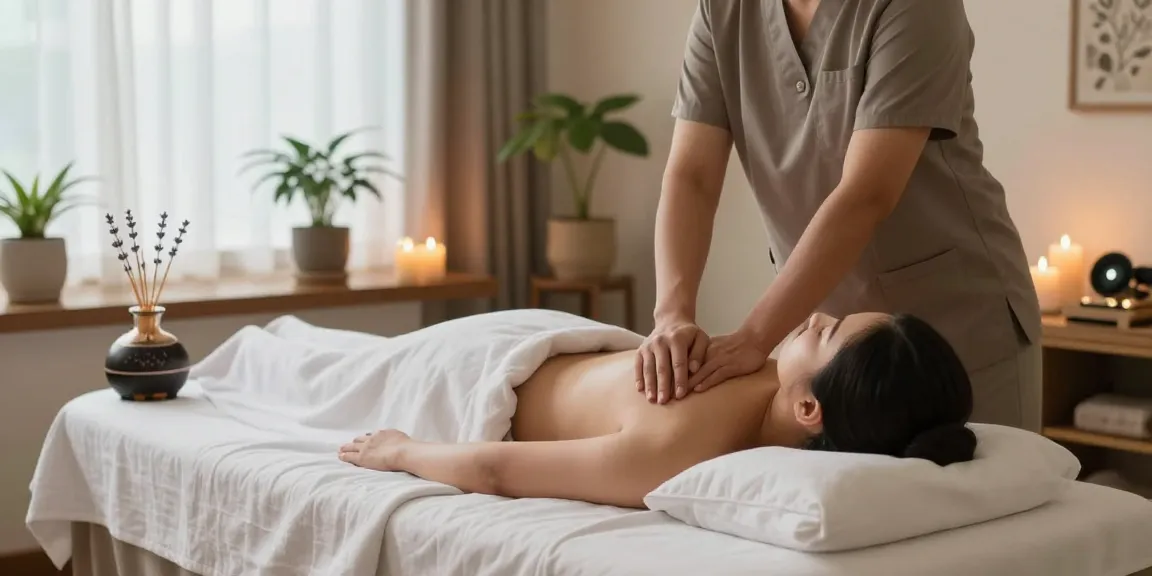
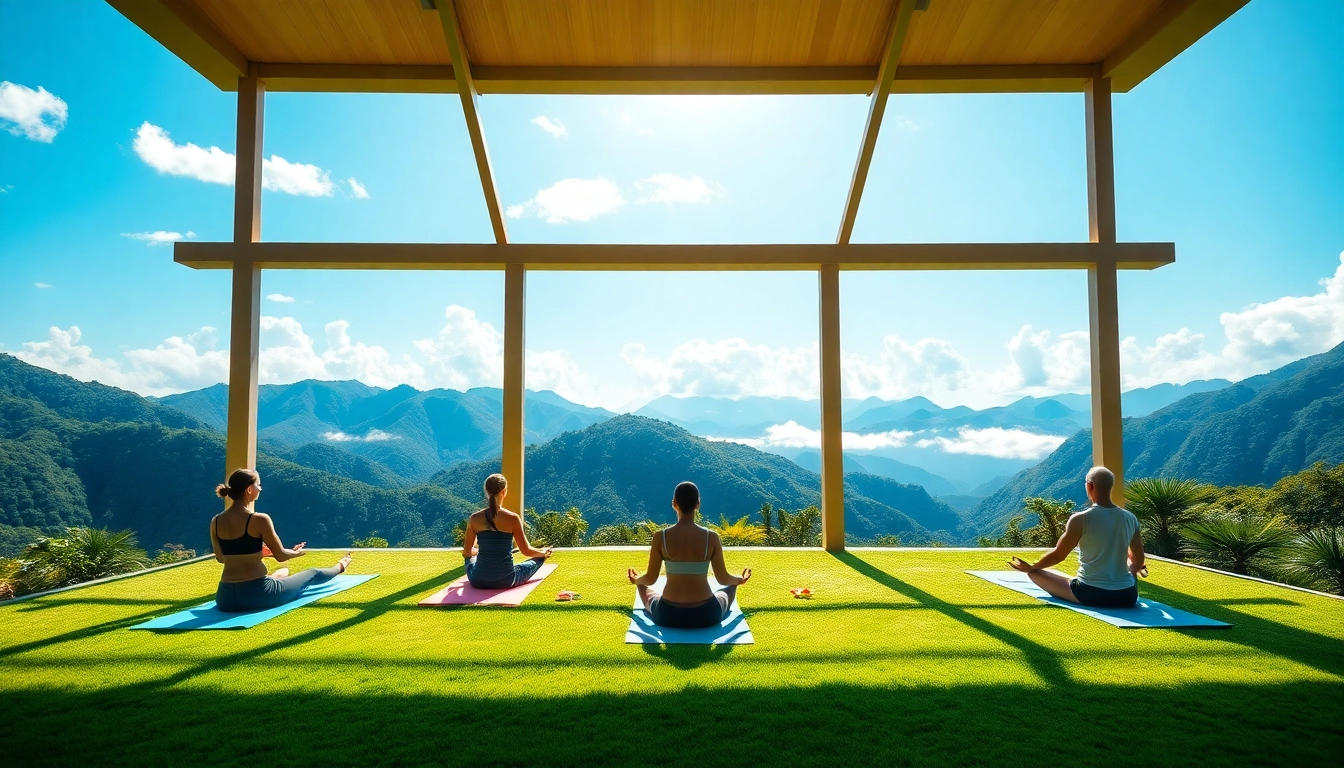
A wellness retreat is a conscious getaway focused on fostering physical, mental, and spiritual well-being. These retreats provide individuals with an opportunity to step back from the chaos of daily life, disconnect from technology, and immerse themselves in self-care practices. Typically, wellness retreats are offered in peaceful, nature-infused environments, enhancing the relaxation and rejuvenation experience. They may last for a weekend, a week, or even longer, depending on the itinerary and the individual’s needs. Overall, the purpose is to promote balance, self-discovery, and personal growth through various holistic methods.
Key Benefits of Attending a Wellness Retreat
Attending a wellness retreat can deliver numerous benefits that significantly enhance overall quality of life. Here are some of the key benefits:
- Stress Reduction: One of the most immediate benefits of a wellness retreat is the reduction of stress. Surrounded by tranquil settings and guided relaxation techniques, attendees often experience immediate relief from anxiety and tension.
- Mindfulness Improvement: Retreats often emphasize mindfulness practices such as meditation, helping participants cultivate a greater sense of presence and awareness in their daily lives.
- Personal Growth: Many retreats encourage self-reflection, allowing participants to confront personal challenges, goals, and aspirations, fostering significant personal growth.
- Connection to Nature: Many wellness retreats are located in natural settings, which can enhance the feeling of peace and connection, promoting healing and well-being.
- Nourishment and Health: Wellness retreats typically offer healthy meals and workshops on nutrition, promoting better eating habits and understanding of holistic health.
Types of Wellness Retreats Available
There is a diverse range of wellness retreats tailored to different needs and preferences. Here are some popular types:
- Yoga Retreats: These focus on various yoga practices combined with mindfulness and meditation sessions.
- Detox Retreats: Designed to cleanse the body, promoting detoxification through nutrition and fasting.
- Spiritual Retreats: Aimed at exploring inner spirituality and self-discovery through various practices and teachings.
- Adventure Retreats: Combining physical activity and exploration, these often feature hiking, climbing, or water sports.
- Creative Expression Retreats: Focusing on artistic practices, these retreats encourage participants to express themselves through art, writing, or music.
Planning Your Perfect Wellness Retreat Experience
How to Choose the Right Retreat
Choosing the right wellness retreat requires careful consideration. Here are several key factors to ensure the perfect fit:
- Goals and Intentions: Clearly define your intentions for attending a retreat. Are you looking for relaxation, rejuvenation, or personal growth? Knowing your goals will help you select the right type.
- Location: The environment should be supportive of your retreat experience—be it a mountain, beach, or forest. What matters is that it resonates with your spirit.
- Duration: Depending on your availability and commitment level, retreats can vary in length. Consider how much time you can allocate.
- Activities Included: Review what types of activities are offered, from yoga and meditation to workshops and outdoor adventures, to ensure they align with your interests.
- Community Atmosphere: Every retreat has its own unique vibe and community. Look for one where you feel comfortable and welcomed by fellow participants.
Essential Items to Pack for Your Wellness Retreat
Effective packing for a wellness retreat enhances your experience and ensures you have all the essentials. Here’s a list of items to consider:
- Comfortable Clothing: Bring breathable and flexible clothes suitable for yoga, hiking, and casual settings.
- Yoga Mat: If your retreat includes yoga, consider bringing your own mat for comfort and familiarity.
- Personal Care Products: Don’t forget eco-friendly and organic toiletries, along with any medications you may need.
- Journal: A journal can be a powerful tool to document insights and reflections throughout the retreat.
- Reusable Water Bottle: Stay hydrated while being environmentally conscious by bringing your own water bottle.
Creating a Personalized Itinerary
Having a personalized itinerary can significantly enhance your wellness retreat experience by balancing structured activities with personal time for reflection or relaxation. Steps to create an effective itinerary include:
- Prioritize Activities: List all the activities available at the retreat and prioritize those that resonate with your goals.
- Include Downtime: Balance your schedule with downtime for personal reflection, journaling, or simply soaking in your surroundings.
- Plan for Flexibility: Allow for spontaneity. Sometimes the best experiences come from unplanned moments.
- Engage with Others: Schedule time to connect with fellow participants through shared meals or group discussions.
- Seek Guidance: Don’t hesitate to consult retreat leaders for tips on maximizing your experience based on their expertise.
Activities to Expect at a Wellness Retreat
Meditation and Mindfulness Practices
Meditation and mindfulness practices are core components of many wellness retreats. These activities cultivate inner peace, focus, and a deeper awareness of oneself. Various styles of meditation may be explored, such as:
- Guided Meditation: Facilitated by experienced instructors, this type often employs visualization techniques alongside calming music or nature sounds.
- Mindfulness Walks: Encourage participants to connect with nature while promoting awareness of their surroundings through gentle movement.
- Breathwork Sessions: Focus on controlled breathing techniques that enhance relaxation and physical well-being.
Holistic Health Workshops and Classes
Workshops and classes focusing on holistic health are essential for deepening understanding and practical application of wellness principles. These may include:
- Nutrition Classes: Discussing healthy meal planning, anti-inflammatory diets, or specific cooking techniques.
- Stress Management Techniques: Learning about holistic methods such as aromatherapy, guided imagery, or herbal remedies.
- Creative Expression Workshops: Encouraging participants to explore art, writing, or movement as forms of self-expression and healing.
Nourishing Culinary Experiences
Most wellness retreats offer gourmet cuisine focused on nutrition and well-being. Meals typically emphasize fresh, whole, and locally sourced ingredients. To further enhance the culinary experience, consider:
- Participating in Cooking Classes: Engage in hands-on cooking classes that teach healthy meal preparation techniques.
- Mindful Eating Practices: Create a ritual around meals by savoring each bite and enjoying the sensory experiences.
- Learning About Nutrition: Gain insights from nutritionists or chefs on the balance of macronutrients and the importance of mindful eating.
Overcoming Common Challenges at a Wellness Retreat
Dealing with Homesickness
Homesickness can be a challenge while at a wellness retreat. Strategies to cope include:
- Stay Engaged: Participation in activities helps to distract from feelings of homesickness.
- Connect with Others: Building relationships can create a sense of community that helps alleviate loneliness.
- Journaling: Writing about your experiences can help process emotions and highlight personal insights.
Navigating Social Interactions
Social interactions can feel daunting for some during a wellness retreat. Tips for navigating these interactions include:
- Be Open and Approachable: Smiling and maintaining open body language can make connections easier.
- Practice Active Listening: Show genuine interest and engage fully in conversations to foster deeper relationships.
- Join Group Activities: This helps create natural bonds with fellow participants as you work together.
Managing Expectations
Setting realistic expectations is crucial to fully enjoying the retreat experience. Consider the following:
- Be Flexible: Understand that not every moment will match your expectations, and that’s okay. Embrace spontaneity.
- Focus on the Journey: Instead of fixating on specific outcomes, concentrate on enjoying the process and personal growth.
- Communicate Needs: Don’t hesitate to discuss your expectations with retreat leaders for guidance and support.
Continuing Your Wellness Journey Post-Retreat
Integrating Learnings into Daily Life
To maximize the benefits of your wellness retreat, consider methods for integrating learnings into your daily life:
- Create a Routine: Establish a daily routine that incorporates the mindfulness practices and insights featured during the retreat.
- Set Goals: Outline concrete short-term and long-term goals based on what you learned about yourself and your wellness journey.
- Share Insights: Discuss new ideas with friends or family to reinforce lessons and maintain accountability.
Setting Long-term Wellness Goals
Setting long-term wellness goals can be essential for ongoing health and happiness. Use these strategies:
- SMART Goals: Ensure goals are Specific, Measurable, Achievable, Relevant, and Time-bound for clarity and success.
- Track Progress: Utilize journals or apps to follow and evaluate your journey toward achieving wellness objectives.
- Adjust as Necessary: Be open to modifying your goals as you grow and evolve in your wellness journey.
Staying Connected with Newfound Community
Connecting with the community formed during your retreat can enhance motivation and support in your wellness journey:
- Utilize Social Media: Join or create groups on social media platforms to stay in touch.
- Plan Reunions: Consider organizing occasional meet-ups or virtual check-ins to share experiences and support one another.
- Offer Support: Continue to uplift fellow participants by sharing resources and encouraging each other’s personal journeys.
Frequently Asked Questions
What should I expect at a wellness retreat?
Expect a mix of activities focusing on relaxation, personal growth, and healthy living, including workshops, yoga sessions, and nutritious meals.
Are wellness retreats suitable for beginners?
Yes, wellness retreats typically cater to all levels. Many offer beginner-friendly sessions, ensuring everyone can participate comfortably.
How much does a wellness retreat typically cost?
Costs vary widely based on location, duration, and accommodations, ranging from budget-friendly options to luxury experiences.
Can I attend a wellness retreat alone?
Absolutely. Many participants attend alone, offering a unique opportunity to connect with new people and focus on personal growth.
What should I bring to a wellness retreat?
Key items include comfortable clothing, yoga mats, personal care products, and a journal to document insights and reflections.