
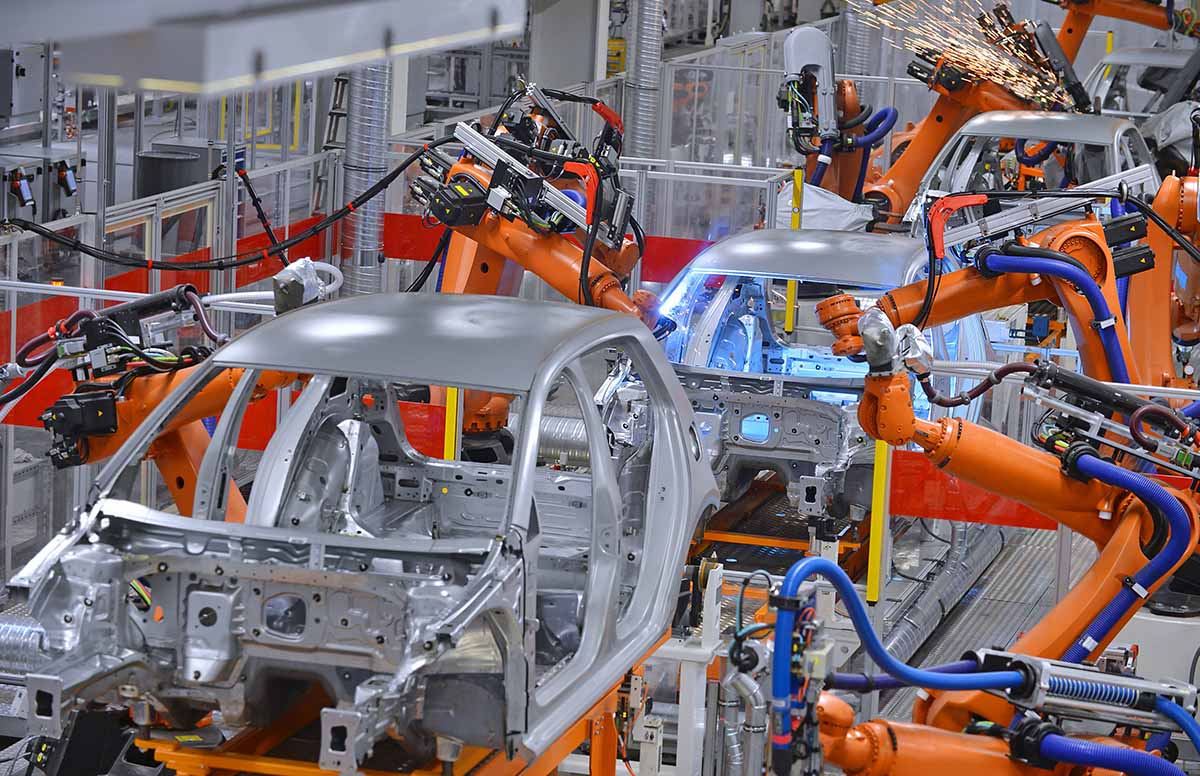
In the modern industrial landscape, sustainability is no longer optional—it’s a necessity. Manufacturers worldwide are seeking innovative solutions that reduce environmental impact while maintaining performance and cost-efficiency. One material that is rapidly redefining sustainable manufacturing is engineered composites. These advanced materials combine multiple constituents to create products that are stronger, lighter, and more environmentally friendly than traditional alternatives. In this article, we explore seven ways Engineered Composites are transforming sustainable manufacturing practices across various industries.
1. Reducing Material Waste Through Precision Engineering
One of the most significant advantages of engineered composites is their ability to minimize material waste. Unlike traditional metals or plastics, composites can be precisely engineered to meet exact performance specifications. This precision reduces overproduction and scrap, ensuring that every gram of material is used effectively. Advanced manufacturing techniques such as automated fiber placement and additive manufacturing allow companies to produce parts with minimal waste, contributing to a more sustainable production process.
2. Lowering Energy Consumption
Engineered composites are lighter than conventional materials, which translates to significant energy savings, particularly in industries like automotive and aerospace. Vehicles constructed with composites require less fuel, reducing greenhouse gas emissions over their operational life. Additionally, manufacturing composites often consumes less energy than melting and shaping metals. By reducing both production and operational energy requirements, engineered play a crucial role in sustainable manufacturing.
3. Enhancing Product Durability and Longevity
Durability is a key factor in sustainability. Products that last longer reduce the need for frequent replacement, thereby lowering the overall environmental footprint. Engineered composites are known for their high strength-to-weight ratios, corrosion resistance, and resilience under extreme conditions. These properties allow manufacturers to create products that maintain structural integrity over decades, reducing material consumption and waste over time.
4. Enabling Lightweight Design Innovations
Weight reduction is a critical consideration for sustainable design, especially in transportation and infrastructure. Engineered composites allow manufacturers to replace heavy metal components with lighter alternatives without compromising strength. Lighter products require less energy for transportation and operation, which directly contributes to reducing carbon emissions. For example, composite materials in aircraft and automotive components have revolutionized fuel efficiency while maintaining safety standards.
5. Facilitating Circular Manufacturing Practices
Sustainable manufacturing increasingly relies on circular economy principles, where materials are reused, recycled, or repurposed. Engineered composites can be designed for recyclability, allowing manufacturers to reclaim fibers and resins at the end of a product’s life cycle. Companies are now developing bio-based and thermoplastic composites that can be reprocessed, reducing landfill waste and promoting resource efficiency. By integrating circular principles, engineered composites support long-term sustainability strategies.
6. Supporting Green Manufacturing Technologies
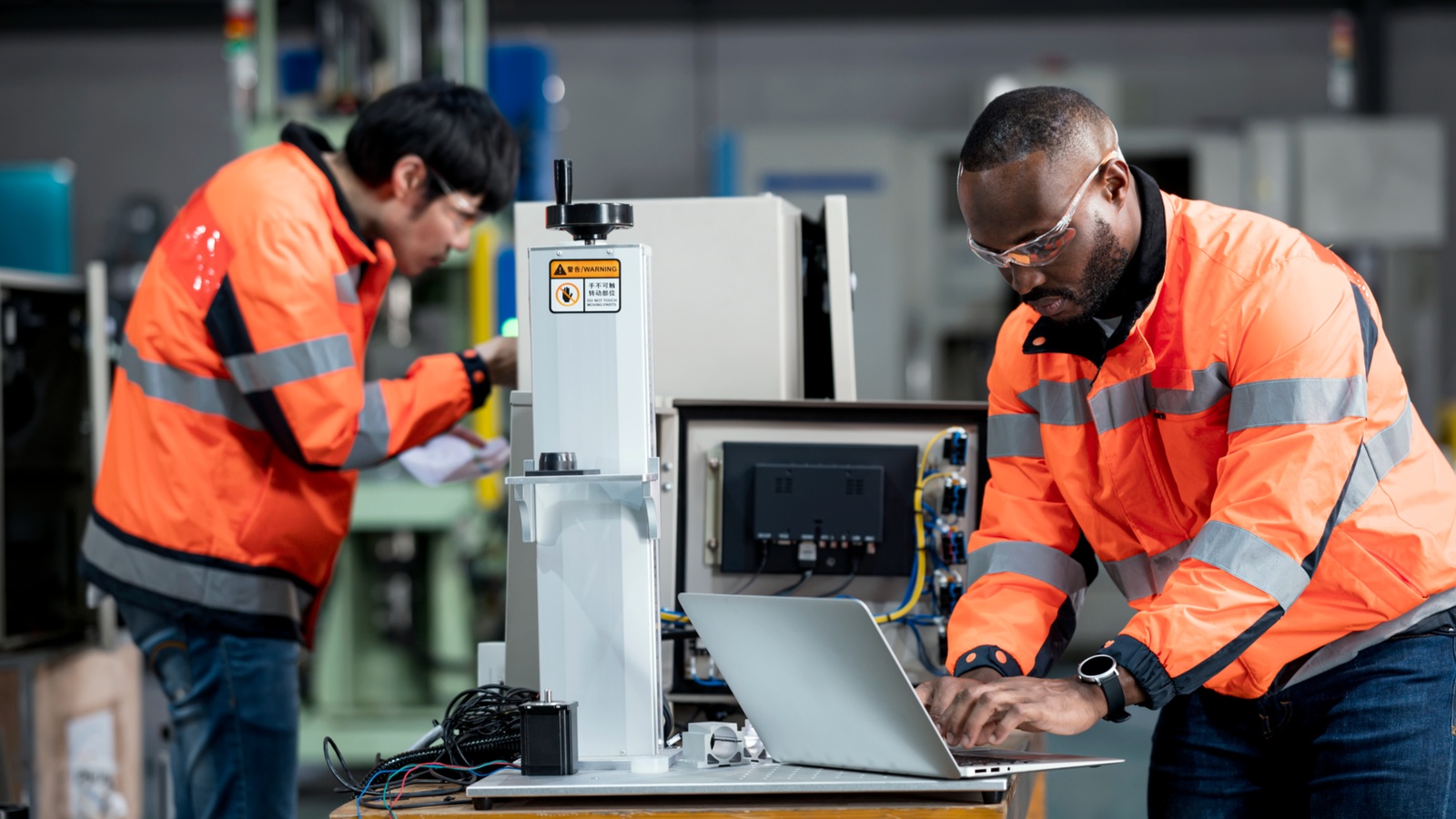
The versatility of engineered composites makes them compatible with cutting-edge green manufacturing technologies. Processes such as additive manufacturing, resin infusion, and automated fiber placement optimize material use and reduce energy consumption. Moreover, the ability to integrate sensors and smart materials into composites enables predictive maintenance, reducing unnecessary replacements and operational downtime. By aligning with environmentally responsible technologies, composites reinforce sustainable manufacturing objectives.
7. Driving Innovation in Eco-Friendly Product Design
Innovation is at the heart of sustainability, and engineered composites are enabling a new wave of eco-friendly product design. Industries ranging from renewable energy to consumer electronics are leveraging composites to create lighter, stronger, and more efficient products. Wind turbine blades, electric vehicle components, and high-performance sporting goods increasingly rely on composites to meet both performance and environmental goals. The adaptability of engineered composites ensures they remain a critical material in future sustainable manufacturing strategies.
Conclusion
Engineered composites are not just materials; they are catalysts for a sustainable manufacturing revolution. By reducing waste, lowering energy consumption, enhancing durability, enabling lightweight design, promoting circular practices, supporting green technologies, and driving eco-friendly innovation, these materials provide a multifaceted approach to sustainability. Manufacturers who embrace engineered composites can achieve operational efficiency while meeting environmental responsibility goals, positioning themselves at the forefront of a sustainable industrial future. From pro advice to what’s buzzing — it’s all waiting on our main page.
FAQ
Q1: What are engineered composites?
Engineered composites are materials made by combining two or more constituents with distinct properties to produce a product that is stronger, lighter, and more durable than traditional materials.
Q2: How do engineered composites support sustainable manufacturing?
They reduce material waste, lower energy consumption, improve product longevity, enable lightweight designs, and can be recycled or repurposed, making them ideal for sustainable production.
Q3: Which industries benefit most from engineered composites?
Industries such as aerospace, automotive, renewable energy, construction, and consumer electronics benefit from the strength, durability, and sustainability advantages of engineered composites.