Understanding Electric Chain Hoist Cranes
Electric chain hoist cranes are essential tools in various industrial settings, providing safe and efficient lifting solutions for a wide range of applications. These cranes utilize an electric motor to lift heavy loads with minimal manual effort, making them ideal for both small businesses and large-scale operations. When exploring options, electric chain hoist crane models offer comprehensive insights into the latest technology and features available in the market.
What is an Electric Chain Hoist Crane?
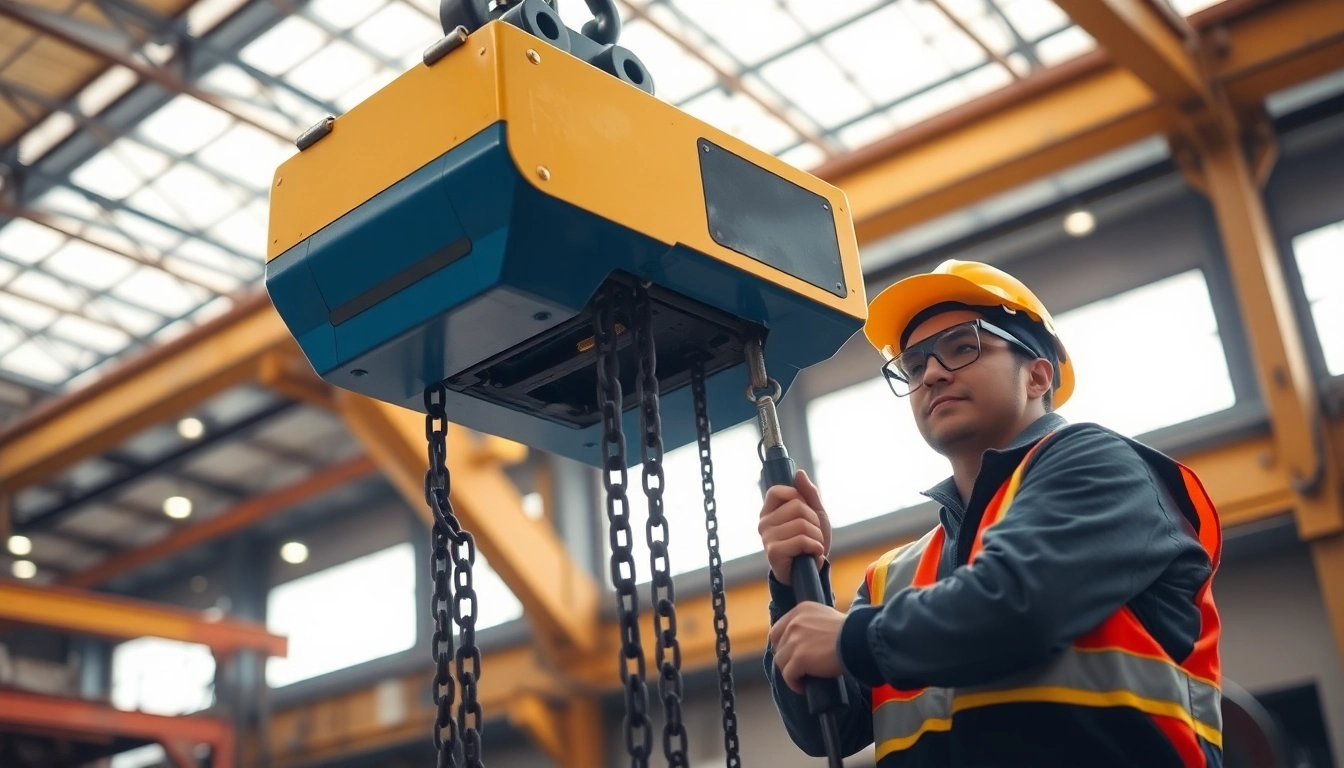
An electric chain hoist crane is a device that uses an electric motor to lift and lower loads through a chain mechanism. These cranes are designed for vertical movement, making them particularly useful in manufacturing, construction, and warehousing environments. Unlike manual hoists, which require physical strength, electric chain hoists operate with greater efficiency and can handle heavier loads with ease.
Key Features and Benefits of Electric Chain Hoist Cranes
- High Load Capacity: Electric chain hoists come in various sizes, capable of lifting anywhere from a few hundred pounds to several tons.
- Precision Control: The electric system allows for precise control of lifting speed and positioning, which is essential in applications demanding accuracy.
- Energy Efficiency: These cranes are designed to be energy-efficient, often resulting in lower operational costs over time.
- Reduced Physical Strain: By automating the lifting process, electric chain hoists significantly reduce the physical strain on workers, leading to a safer workplace.
Common Applications Across Various Industries
Electric chain hoist cranes are versatile and find applications in numerous industries, including:
- Manufacturing: Commonly used for assembly lines and heavy lifting in factories.
- Construction: Ideal for lifting materials and equipment on job sites.
- Warehousing: Used for moving goods in and out of storage, enhancing logistics efficiency.
- Entertainment: Employed in theaters and event venues for stage rigging and equipment handling.
Choosing the Right Electric Chain Hoist Crane
Selecting the perfect electric chain hoist crane for your needs requires careful consideration of various factors. As the market offers a plethora of options, understanding the core requirements of your operations is crucial for making an informed decision.
Factors to Consider When Selecting a Crane
- Load Capacity: Assess the maximum weight you need to lift to ensure the crane can safely handle your loads.
- Lift Height: Determine the vertical distance the crane must cover, as different models offer varying lift heights.
- Power Source: Electric hoists can operate on single-phase or three-phase power; choose based on your facility’s electrical setup.
- Environmental Conditions: For outdoor or rugged environments, consider hoists with protective features against dust and moisture.
Comparing Electric Chain Hoist Cranes to Other Hoisting Solutions
When comparing electric chain hoist cranes to other hoisting technologies, it’s important to weigh their advantages against those of alternatives such as manual hoists and electric cable hoists:
- Manual Hoists: While they are less expensive, manual hoists require physical effort, which can be impractical for frequent use and heavy loads.
- Electric Cable Hoists: These can also lift heavy loads but are usually more complex and may require additional space for the cable mechanism.
Identifying Specific Load Capacities and Requirements
Every operation is unique, so carefully analyzing your specific load requirements is crucial. Consider factors like:
- The nature of materials being lifted (size, shape, and weight)
- The frequency of lifting tasks
- Potential future needs or expansion of operations
Installation and Maintenance of Electric Chain Hoist Cranes
Proper installation and regular maintenance of electric chain hoist cranes are essential to ensure safe and efficient operations throughout their lifecycle. Here are key guidelines to follow.
Best Practices for Installing Electric Chain Hoist Cranes
- Professional Installation: Engage qualified personnel familiar with local regulations and installation standards.
- Load Testing: Conduct thorough load tests after installation to ensure the crane meets safety standards.
- Clearance and Space: Ensure adequate clearance for lifting and lowering, preventing interference with other equipment.
Routine Maintenance Tips to Ensure Longevity
Routine maintenance is vital for the longevity and safe operation of electric chain hoist cranes. Consider the following practices:
- Regular Inspections: Schedule frequent inspections to check for wear and tear, ensuring all components are functioning properly.
- Lubrication: Keep the chain and moving parts well-lubricated to reduce friction and wear.
- Electrical Components: Regularly check electrical connections and replace any damaged components to prevent malfunctions.
Common Challenges and How to Overcome Them
Be aware of common challenges that may arise with electric chain hoist cranes, including:
- Overloading: Always adhere to the manufacturer’s load capacity to prevent equipment failure.
- Power Supply Issues: Ensure a stable power supply, and consider backup systems to prevent downtime.
Safety Protocols for Electric Chain Hoist Crane Operations
Safety should always be a priority when operating electric chain hoist cranes. Following established safety protocols helps protect workers and prevent accidents.
Understanding Safety Standards and Regulations
- OSHA Regulations: Familiarize yourself with Occupational Safety and Health Administration guidelines related to overhead cranes.
- Manufacturer Guidelines: Adhere to the specific safety instructions provided by the hoist manufacturer.
Essential Training for Operators and Maintenance Staff
Ensure that all operators and maintenance personnel receive thorough training, including:
- Understanding the hoist's operation and emergency procedures
- Risk awareness and safety checks before operation
- Proper use of personal protective equipment (PPE)
Emergency Procedures and Safety Equipment
Establish clear emergency procedures, including:
- Immediate response plans for mechanical failures
- Regular drills and training on emergency protocols
- Access to safety equipment, such as harnesses and helmets
Future Trends in Electric Chain Hoist Crane Technology
As technology evolves, electric chain hoist cranes are becoming more advanced, integrating innovative features that enhance their functionality and safety.
Innovations Shaping the Future of Hoisting Solutions
- Smart Technology: New models are equipped with sensors that provide real-time data on load weight and operational status.
- Enhanced Control Systems: Developments in control systems aim to increase precision and ease of use, reducing operator error.
The Role of Automation and IoT in Electric Chain Hoists
Emerging technologies such as the Internet of Things (IoT) have the potential to revolutionize hoisting operations by enabling:
- Remote monitoring and control of hoists for enhanced efficiency
- Predictive maintenance through data analytics to anticipate equipment failures
Predictions for the Industry by 2025 and Beyond
Looking ahead to 2025, we can expect a significant shift in the electric chain hoist crane market, driven by:
- Increased adoption of automated systems across industries
- Greater emphasis on sustainability, leading to the development of energy-efficient models
- Enhanced safety features becoming standard in all models