Introduction to Protective Foam Pelican Cases
In a world where equipment safety and reliability are paramount, the significance of Protective foam Pelican Cases cannot be overstated. These cases are not merely containers; they are engineered solutions designed to provide exceptional protection for valuable tools and gear. Let's explore what makes these cases indispensable for various users and applications.
What are Protective Foam Pelican Cases?
Protective foam Pelican Cases are rugged, versatile storage solutions designed to shield tools, electronics, and sensitive equipment from the stresses of travel and handling. They typically include customized foam inserts that conform to specific gear, maintaining its position and protecting it from shock, drops, and vibrations. Available in various sizes and configurations, Pelican cases are known for their durability and impact resistance.
Benefits of Using Foam Inserts
Foam inserts enhance the protective qualities of Pelican Cases in several vital ways:
- Custom Fit: Foam inserts are designed to securely cradle your items, ensuring they remain stationary and protected during transport.
- Shock Absorption: High-density foam materials are engineered to absorb shocks, preventing damage from unexpected impacts.
- Water Resistance: Many foam options are designed to complement the case’s water-resistant properties, offering further protection against moisture.
- Lightweight Construction: Foam inserts are constructed from lightweight materials, which keep the overall weight of the case down.
- Easy Customization: Users can choose inserts tailored to their specific equipment, ensuring a snug fit for optimal protection.
Who Should Use Protective Foam Pelican Cases?
Protective foam Pelican Cases cater to a broad range of users and industries. Here are some examples:
- Photographers and Videographers: They benefit from custom foam that holds cameras, lenses, and accessories in place.
- Military and Law Enforcement: Durable foam cases protect firearms and sensitive equipment during operations and transport.
- Medical Professionals: Cases with foam inserts can secure medical devices and instruments, ensuring their functionality during transport.
- Marine and Outdoor Enthusiasts: Protect gear from the elements while engaging in activities like boating, fishing, or hiking.
- Industrial and Construction Workers: They rely on robust cases to protect tools and equipment from tough working conditions.
Choosing the Right Foam for Your Pelican Case
Types of Foam Inserts Available
Selecting the appropriate foam for your Pelican Case requires understanding the types available:
- Pick N Pluck Foam: This pre-scored foam allows users to create custom cavities by plucking out segments to fit various shapes.
- Pre-Cut Foam Inserts: These are designed for specific items or configurations, ensuring a precise fit and enhanced protection.
- Kaizen Foam: Ideal for organizing equipment, this modular foam can be cut to fit specific tools while ensuring they are easily accessible.
- Solid Foam: Best suited for items that don’t require specific shapes, solid foam provides a simple protective layer.
- Hybrid Foam: Combines features of various types to offer versatility and customization for specific applications.
Factors to Consider When Selecting Foam
When choosing foam inserts for your Pelican Case, it's essential to consider the following factors:
- Item Dimensions: Ensure that the selected foam accommodates the specific dimensions of your equipment.
- Weight of Equipment: Utilize denser foam for heavier items to maintain structural integrity during transport.
- Level of Protection Required: Assess potential impact risks to determine the foam density and type needed.
- Environment: Consider the exposure to elements such as moisture and temperature, selecting foam materials that withstand these conditions.
- Organizational Needs: Decide if you need additional compartments or configurations for ease of access to tools and gear.
Custom Foam Options vs. Standard Inserts
When weighing custom options against standard foam inserts, the unique requirements of your equipment will dictate the best course:
- Standard Inserts: Often more affordable and readily available, however, they may not provide an exact fit for all equipment.
- Custom Foam: Tailored solutions ensure your specific items fit precisely, enhancing protection. Although typically more expensive, they can save costs on damaged equipment in the long run.
How to Maintain Your Foam Inserts
Cleansing Techniques for Foam
Proper maintenance extends the life of your foam inserts. Here are some recommended cleaning techniques:
- Gentle Vacuuming: Regularly vacuum the foam to remove dust and debris without damaging its structure.
- Spot Cleaning: Use a mild detergent mixed with water to spot-clean stains, employing a soft cloth to avoid abrasions.
- Air Drying: After cleaning, always allow foam inserts to air dry completely before placing them back in the case.
Storage Tips to Extend Foam Lifespan
Effective storage practices can help preserve the integrity of foam inserts:
- Avoid Direct Sunlight: Store cases away from direct sunlight to prevent degradation and fading of the foam.
- Keep Dry: Ensure cases are stored in dry environments to protect against mold and mildew.
- Maintain Objectives: Regularly inspect foam quality and structure to identify any early signs of wear or damage.
Signs Your Foam Needs Replacement
Understanding when to replace foam inserts is crucial for maintaining equipment protection:
- Visible Damage: Look for rips, tears, or indentations that compromise structural integrity.
- Deformation: If the foam no longer retains its shape or compresses too easily, it may be time for new inserts.
- Odor: Musty smells can signify mildew or deterioration, indicating it is time for replacements.
Common Applications of Protective Foam Pelican Cases
Use in Photography and Videography
For photographers and videographers, Protective foam Pelican Cases offer a reliable means of transportation for costly gear. Custom foam can cradle cameras, lenses, and lighting equipment, mitigating the risk of accidental damage during travel or storage.
Protection for Firearms and Equipment
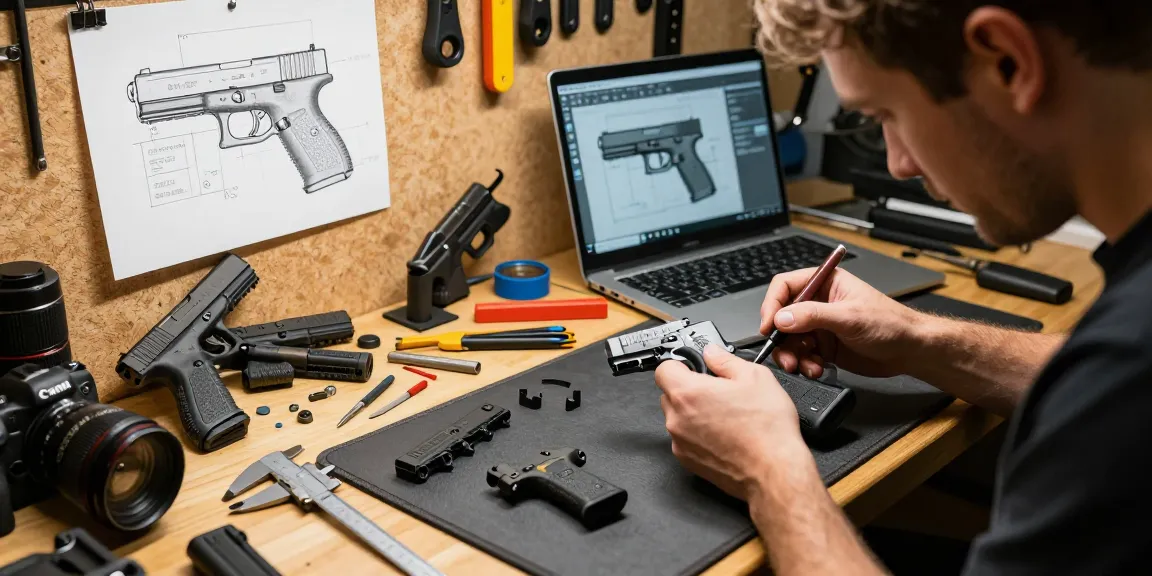
Firearms and related equipment require extraordinary protection during transport. Using custom foam inserts designed for firearms and ammunition secures them against jostling and impacts while also ensuring compliance with legal requirements.
Industrial and Military Applications
In industrial settings, Protective foam Pelican Cases safeguard tools and sensitive instruments from harsh conditions. In military contexts, cases with custom foam accommodate critical equipment, providing moisture and impact resistance in challenging environments.
FAQs About Protective Foam Pelican Cases
What materials are used in Protective Foam Pelican Cases?
Foam materials vary but typically include polyethylene, polyurethane, or kaizen foam for customized protection, shock absorption, and durability.
Can I customize my foam insert for a specific item?
Yes, many Pelican cases offer custom foam options that can be tailored precisely to fit the shape and size of your items.
How do I clean my foam insert properly?
Use a vacuum for dust removal and spot clean with a mild detergent solution, ensuring the foam air dries thoroughly afterward.
What is the weight limit for the foam inserts?
The weight limit for foam inserts varies based on density and composition; it's advised to consult specific product guidelines for maximum support.
Are there any warranty options for foam inserts?
Warranties on foam inserts often depend on the manufacturer; it is important to check the specifics before purchase.