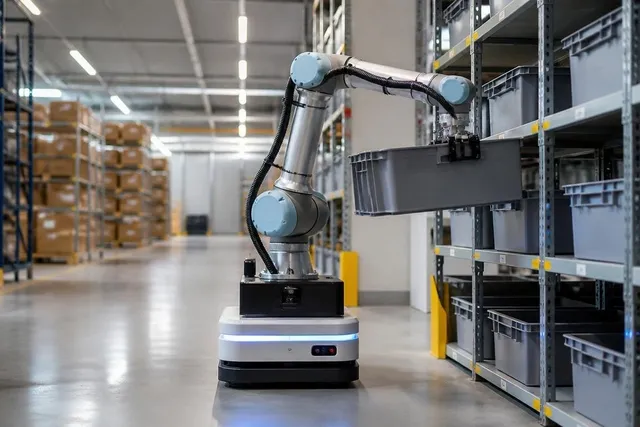
The Significance of Human Interface with AI
In today's rapidly evolving technological landscape, the Human Interface with AI has become a fundamental area of interest, fusing considerations of usability, ethics, and design into a coherent framework. As individuals, organizations, and industries increasingly adopt AI technologies, understanding how humans interact with these systems becomes paramount. In this context, the significance of the human-AI interface extends beyond mere functionality; it delves into crafting user experiences that can enhance productivity, foster trust, and promote ethical interactions.
Understanding Human-AI Communication
Human-AI communication is the study of how individuals interact with artificial intelligence systems. At its core, this interaction is characterized by the exchange of information, emotions, and intentions between humans and AI. Effective communication in this domain involves equipping AI systems with the capacity to understand human language, context, and emotional cues. For instance, natural language processing (NLP) enables AI to interpret and respond to user queries in human-like ways, dramatically enhancing user engagement. Furthermore, this interaction is not solely linguistic; it includes contextual awareness and emotional intelligence, wherein AI systems can adjust their responses based on user sentiment.
The Role of Intuitive Design
Intuitive design plays a pivotal role in shaping human interface experiences with AI. A user-centric approach emphasizes creating interfaces that are not only functional but also easy to navigate. Consider chatbots used in customer service: an intuitive design allows users to seek assistance quickly without navigating complicated menus or jargon. Metrics such as time-on-task and user satisfaction provide insights into how effectively these interfaces function. Moreover, incorporating user feedback during the design process ensures continuous improvement and alignment with user expectations, ultimately contributing to enhanced engagement.
Ethics and Trust in AI Interactions
As AI systems become integrated into various facets of life, the ethical dimensions of human-AI interactions gain prominence. Trust is a critical component of these interactions; users must believe that the AI will act in their best interests and respect their privacy. Implementing transparent algorithms and providing users with control over their data are vital steps in building this trust. The ethical implications extend further into bias and inclusivity, ensuring that AI solutions consider diverse user needs and are designed to prevent discriminatory practices. As research in this field continues to evolve, the formulation of ethical guidelines becomes necessary to safeguard both users and AI technologies.
Elements of Effective Human Interface with AI
User-Centric Interface Design Principles
A successful human interface with AI hinges on implementing user-centric design principles. This approach prioritizes the user's needs, preferences, and behaviors, moving away from one-size-fits-all solutions. Among the principles to consider are simplicity, usability, and accessibility. For example, effective interfaces should minimize cognitive load by ensuring that information is presented clearly and concisely. Usability testing is essential for identifying pain points within the interface, leading to iterative design improvements. Moreover, accessibility principles ensure that all users, regardless of their abilities, can interact successfully with AI systems.
Visual and Multimodal Interface Strategies
Visual design is a key component in enhancing user engagement within AI systems. Incorporating images, colors, and layout can significantly influence how users perceive and interact with technology. Multimodal interfaces, which combine visual elements with audio and tactile feedback, offer a richer interaction experience. An example is voice assistants that respond both audibly and through visual displays, thereby catering to different user preferences. Research suggests that such multimodal approaches can enhance user satisfaction and comprehension, making it easier for users to navigate complex tasks.
Feedback and Adaptation Mechanisms
Feedback is pivotal in the human-AI interaction process, providing users with a sense of control and understanding. Implementing clear, timely feedback mechanisms helps users gauge the status of their interactions and fosters a sense of agency. Adaptive systems, which learn from user interactions and adjust their responses accordingly, represent the future of AI interfaces. For instance, AI products that adjust recommendations based on previous user behavior epitomize this concept, as they become increasingly accurate over time. Encouraging user interaction through dynamic interfaces can drive engagement and satisfaction.
Case Studies in Human Interface with AI
Successful Implementations in Various Industries
A closer look at successful implementations of human interfaces with AI reveals unique insights into effective practices. In healthcare, AI tools provide diagnostic assistance by analyzing patient data, demonstrating how seamless interaction can lead to improved decision-making. Such systems utilize intuitive interfaces that allow medical professionals to input complex data easily while receiving instant feedback. In retail, AI-powered chatbots aid customer service representatives, enhancing the shopping experience by providing instant assistance and personalized product recommendations.
Lessons Learned from Failures
However, not all implementations of human-AI interactions yield positive outcomes. Notable failures often stem from misguided assumptions about user preferences or inadequate consideration of users' emotional responses. For instance, overly complex interfaces or lack of transparency can lead to user dissatisfaction and abandonment. Analyzing these failures reveals the importance of continuous user engagement throughout development and the necessity of conducting thorough user testing. The iterative feedback loop can help identify shortcomings early, driving successful implementations in future projects.
Innovative Trends in AI Interaction
As the landscape of human-AI interaction evolves, new trends emerge that will shape the future. Among these, emotional AI—systems designed to recognize and respond to human emotions—promises to enhance user connectedness significantly. Furthermore, the integration of augmented reality (AR) and virtual reality (VR) into human-AI interfaces paves the way for immersive experiences. These innovative trends not only improve engagement but also create opportunities for unique applications across various fields such as education, marketing, and entertainment.
Challenges in Integrating Human Interface with AI
Common Obstacles to Human-AI Collaboration
Despite the potential benefits of human interfaces with AI, several challenges remain prevalent. One major obstacle is the mismatch between human expectations and the capabilities of AI systems. Often users may expect AI to perform at human levels of empathy and understanding, which can lead to frustration. Moreover, data privacy concerns and the ethical use of AI interactions can hinder adoption. Addressing these concerns through clear communication and user education is critical for fostering stronger human-AI collaboration.
Measuring User Experience Effectively
Effectively measuring user experience with AI systems presents additional challenges. Traditional methods, such as surveys, may not adequately capture the complexities of human interactions with AI. By integrating mixed-method approaches, which blend quantitative data with qualitative insights, organizations can derive more holistic understandings of user experience. Key performance indicators such as user retention rates, time spent interacting, and error rates provide valuable metrics for evaluating the success of AI systems.
Future-Proofing AI Interfaces
Preparing AI interfaces for the future requires anticipating changes in technology, user preferences, and ethical considerations. Adaptive systems, capable of evolving with user requirements, ensure longevity by staying relevant amid rapid advancements. Professional development and ongoing education in user experience design and AI technologies are vital for designers and developers alike. Furthermore, engaging diverse stakeholders in the design and feedback process fosters the development of inclusive interfaces that meet the needs of varied users.
Future Directions for Human Interface with AI
Emerging Technologies Shaping Interfaces
As we look ahead, several emerging technologies promise to reshape the landscape of human interfaces with AI. Advances in machine learning, particularly in natural language understanding and visual recognition, enhance the capability of AI systems to engage more naturally with users. Furthermore, the proliferation of the Internet of Things (IoT) enables interconnected devices to communicate seamlessly, creating richer interactions for users. Staying informed about these technologies is essential for designing future-ready interfaces.
Potential Impacts on Society and Work
The integration of effective human interfaces with AI holds transformative potential for society and workplaces. As AI technologies augment human capabilities, workflows become increasingly streamlined, allowing individuals to focus on higher-level strategic tasks. Enhanced collaboration between humans and AI can lead to a more innovative environment and drive productivity. However, these advancements also necessitate a re-evaluation of skills, training, and organizational dynamics to harness the full benefits of AI technologies.
Preparing for Human-AI Coexistence
Ultimately, preparing for human-AI coexistence involves fostering a collaborative culture. This requires promoting a shared understanding of AI’s capabilities and limitations among users. Training programs focused on digital literacy will empower individuals to engage effectively with AI technologies, bridging the gap between human expertise and artificial intelligence. As the landscape continues to evolve, prioritizing collaboration, transparency, and ethics will ensure both human and AI thrive.
Frequently Asked Questions
1. What is the human interaction with AI?
Human interaction with AI involves communication and collaboration between humans and artificial intelligence systems. It aims to design systems that enhance human capabilities while ensuring usability and trust.
2. How does intuitive design benefit AI interfaces?
Intuitive design enhances user experience by prioritizing usability and accessibility, allowing users to navigate AI systems effortlessly without extensive training.
3. What ethical considerations come with AI interactions?
Ethical considerations include data privacy, algorithmic bias, and fostering trust. Transparent processes and user control over data are crucial to ethical AI interactions.
4. How can user experience with AI be measured?
User experience can be measured using key performance indicators like user satisfaction, retention rates, and engagement metrics, along with qualitative feedback.
5. What is the future of human-AI collaboration?
The future of human-AI collaboration is centered on seamless integration, enhanced communication, and adaptive interfaces that evolve with user needs and technological advancements.