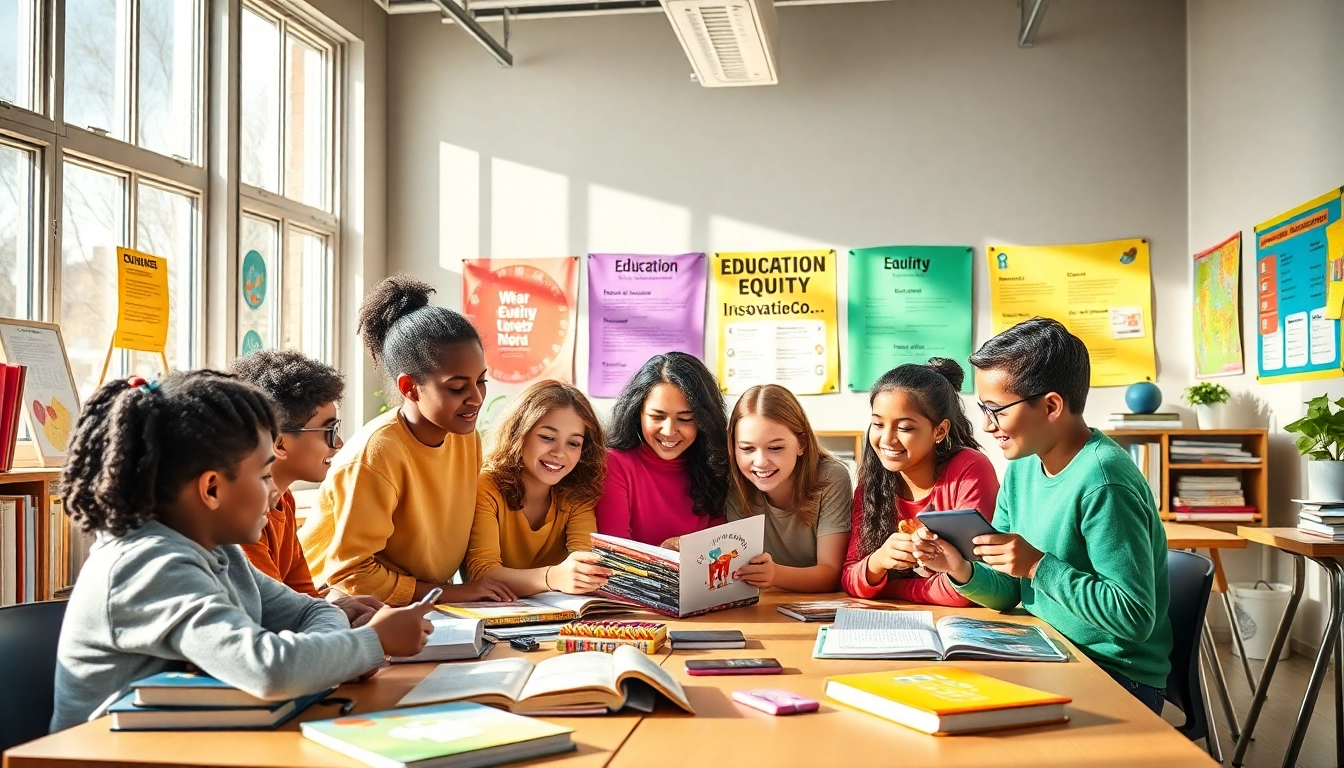

Understanding the Core Principles of Education
Education is a multidimensional process that facilitates the transmission of knowledge, skills, and cultural values from one generation to the next. It plays a vital role in individual development and societal progress. As we navigate through this comprehensive exploration of Education, we will delve into its history, key theories, modern practices, and the challenges it faces in today's world.
History and Evolution of Education
The history of education dates back thousands of years, evolving from rudimentary forms of learning in ancient societies to the complex systems present today. Early education was community-centered, focusing on practical skills necessary for survival. Classical civilizations such as Ancient Greece and Rome introduced more structured forms of education, emphasizing philosophy, arts, and sciences.
During the Middle Ages, the establishment of universities marked a significant turning point, as formal education began to revolve around specific disciplines. The Renaissance further advanced educational thought, prompting a re-examination of classical texts and the promotion of humanist ideals. In the modern era, especially post-industrialization, education became more accessible, leading to compulsory schooling laws in many countries, aiming to diminish inequalities.
Key Theories in Education
An understanding of various educational theories is crucial for anyone involved in teaching or learning. Major theories include:
- Behaviorism: Focuses on observable behaviors and the ways they're influenced by environmental stimuli.
- Constructivism: Asserts that learners construct their knowledge through experiences and reflections, promoting a more student-centered approach.
- Cognitivism: Emphasizes the role of mental processes in understanding how people learn, highlighting the importance of the mind in education.
- Humanism: Suggests that learning is personalized and self-directed, prioritizing the student's experience and emotional wellbeing.
These theories shape educational practices, guiding teachers in developing curriculums that meet diverse learning needs.
Modern Educational Practices
Today, educational practices reflect a blend of historical insights and contemporary theories. Modern classrooms have adopted various teaching methods, including:
- Project-Based Learning (PBL): Engages students in real-world problems, enhancing their analytical and collaborative skills.
- Flipped Classroom: Allows students to learn new content at home through online resources and apply that knowledge during classroom time through activities and discussions.
- Differentiated Instruction: Tailors teaching strategies to accommodate the diverse backgrounds and learning styles of students.
The integration of technology in education further revolutionizes learning environments, fostering greater engagement and accessibility.
Challenges Faced in Education Today
Despite progress, the education sector grapples with numerous challenges that undermine its effectiveness and reach.
Access and Equity in Education
Issues of access and equity remain pervasive in education systems worldwide. Students from marginalized communities often face barriers such as inadequate school infrastructure, lack of qualified teachers, and insufficient resources. Programs aimed at providing equal opportunities for all students, regardless of their socioeconomic background, are essential in today's educational landscape.
Governments and organizations must commit to enhancing funding and implementing policies that prioritize equity. Such initiatives can include scholarships, targeted training programs for teachers in underserved areas, and community outreach efforts to involve parents in their children’s education.
Technological Integration in Learning
The rise of digital technology is reshaping how education is delivered. While it presents tremendous opportunities, it also brings challenges such as the digital divide, where students lacking access to technology are left at a disadvantage. Effective integration of technology requires sufficient infrastructure, professional development for educators, and ongoing support for students.
Furthermore, the adoption of online learning platforms has exploded, yet this transition has underscored the importance of fostering digital literacy among both teachers and students. Balancing traditional and digital learning methods can create more robust educational outcomes.
Addressing Learning Disabilities
Learning disabilities present unique challenges in educational settings. It's crucial for educators to identify these disabilities early and provide tailored interventions. Implementing Individualized Education Programs (IEPs) allows for personalized learning paths that cater to specific needs.
Moreover, promoting an inclusive environment that supports all learners can significantly enhance educational achievements. Educator training programs must incorporate strategies for recognizing and supporting students with learning differences, ensuring they receive the appropriate accommodations necessary to thrive.
Effective Strategies for Enhancing Education
To address the challenges in education, several effective strategies can be deployed, fostering an environment conducive to positive learning outcomes.
Creating Inclusive Classrooms
Inclusive classrooms encourage diversity and respect for all students. Educators can adopt techniques such as cooperative learning, where students work in diverse groups, promoting social interaction and peer support.
Training teachers to recognize unconscious biases and encouraging a growth mindset within classroom environments can increase engagement and motivation. Viewing differences not as deficits but as extensions of individual experiences enriches the learning atmosphere.
Leveraging Technology for Learning
Technology can greatly enhance educational experiences. Effective use of digital tools can facilitate personalized learning—adaptive learning software adjusts content according to a student's performance, ensuring they are challenged yet able to succeed. Integrating simulations, gamification, and interactive multimedia conveys complex concepts in engaging ways, which can enhance student retention.
Furthermore, teachers should leverage technology for collaborative projects, allowing students from different geographical areas to connect and learn from one another, fostering global awareness and collaboration skills.
Encouraging Student Engagement
Student engagement is crucial for maximized learning outcomes. Strategies to enhance engagement include fostering a classroom culture that encourages curiosity, creativity, and innovation. Teachers can incorporate inquiry-based learning, where students pose questions and explore topics actively, rather than passively receiving information.
Providing choices in how students demonstrate their understanding can also promote engagement. Allowing for varied learning paths respects individual interests and talents, leading to deeper investment in educational activities.
Measuring Success in Education
Effectively measuring educational success is necessary for continuous improvement and accountability.
Assessment Methods and Performance Metrics
Assessment should be multifaceted, encompassing formative and summative evaluations. Formative assessments provide real-time feedback during the learning process, allowing educators to identify areas needing reinforcement.
Summative assessments, such as standardized tests, evaluate overall learning effectiveness, yet should be applied judiciously. Performance metrics must reflect growth and mastery over content, emphasizing critical thinking and problem-solving skills rather than rote memorization.
Feedback Loops and Continuous Improvement
Establishing effective feedback loops within educational systems can encourage continuous improvement. Regular feedback from students about their learning experiences can inform instructional practices, allowing teachers to adapt their methods to enhance effectiveness.
Peer reviews among educators foster a culture of collaboration, encouraging sharing of best practices and strategies for overcoming common challenges.
Case Studies of Successful Educational Programs
Examining successful educational models provides valuable insights into effective practices. Programs that have demonstrated significant positive outcomes often share common elements, such as strong leadership, community involvement, and data-driven decision-making.
Analysis of case studies helps identify key strategies that can be replicated in various educational settings, offering a pathway toward reform and improvement.
Future Trends in Education
As the education landscape continues to evolve, several trends are emerging that have the potential to reshape learning experiences and outcomes.
Global Education Initiatives
International education initiatives are focusing on promoting equitable and inclusive education for all. Global partnerships aim to address educational disparities, focusing on sustainable development goals (SDGs) to ensure quality education is accessible.
Collaboration among nations fosters shared knowledge and practices, helping to elevate education standards globally, creating a more interconnected and informed society.
Emerging Technologies in Learning
The future of learning is being shaped by emerging technologies such as Artificial Intelligence (AI), Virtual Reality (VR), and Augmented Reality (AR). These technologies offer immersive learning experiences, allowing students to visualize concepts and engage with materials in interactive ways.
AI can tailor educational experiences based on individual student data, enhancing personalized learning. Educators need to embrace these technologies while also prioritizing ethical frameworks to ensure student data privacy and security.
Visualizing the Future of Education
The future of education envisions environments where learning is seamlessly integrated into everyday life, supported by technology and community involvement. Flexibility in learning modalities will likely become the standard, accommodating different learning styles, paces, and preferences.
Ultimately, a holistic approach to education that encompasses academic, social, and emotional development will pave the way for well-rounded individuals ready to meet the complexities of modern society.