
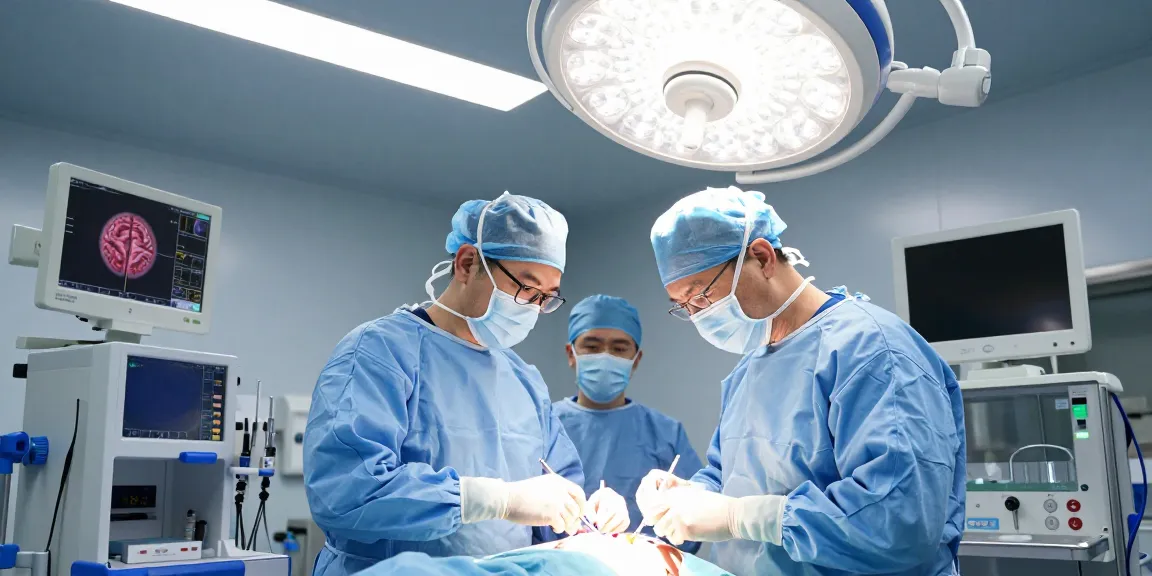
Understanding Beyin Tümörü Ameliyatı
Brain tumor surgery, known as beyin tümörü ameliyatı in Turkish, is a critical procedure aimed at removing tumors from the brain, both benign and malignant. This complex medical intervention serves not only to eliminate the tumor but also to alleviate symptoms caused by increased intracranial pressure or critical neurological impairment. With advancements in surgical techniques and technology, such procedures have become more effective and safer for patients. In this article, we will provide a comprehensive overview of various aspects of brain tumor surgery, helping you understand the procedure, its risks, and post-operative care.
What is Brain Tumor Surgery?
Brain tumor surgery encompasses a range of procedures designed to diagnose and treat tumors located within the cranial cavity. The main goal is to excise the tumor while minimizing damage to surrounding brain tissue. Some surgeries aim for complete removal, while others may only be able to achieve partial resection due to the tumor's proximity to vital brain structures.
Types of Brain Tumors Treated
Different types of brain tumors require different surgical approaches, including:
- Meningiomas: These tumors arise from the meninges, the protective membranes covering the brain. They are often benign and can be removed surgically.
- Glial tumors: This category includes glioblastomas, which are aggressive and malignant, requiring more extensive surgical intervention.
- Metastatic tumors: These tumors originate from cancers elsewhere in the body and spread to the brain, necessitating careful management and often combined therapies.
Indications for Surgery
Indications for brain tumor surgery typically include the presence of symptomatic tumors causing neurological deficits, alterations in mental status, or significant intracranial pressure. Moreover, some tumors may require surgery to obtain a biopsy for definitive diagnosis or to relieve symptoms caused by mass effect.
Preoperative Considerations for Beyin Tümörü Ameliyatı
Before undergoing brain tumor surgery, patients must undergo a thorough evaluation process that includes imaging studies and preoperative testing. This stage is crucial for ensuring the best surgical outcome.
Patient Evaluation Process
The evaluation process includes a detailed medical history, neurological examination, and advanced imaging techniques such as MRI or CT scans, allowing neurosurgeons to delineate the tumor's characteristics and its relationship with surrounding structures.
Preparing for Surgery: Tests and Imaging
In preparation for surgery, patients may require additional tests such as blood work, electrocardiograms, and sometimes, functional imaging studies (like PET scans). These tests help in assessing the patient's overall health and readiness for anesthesia.
Understanding Anesthesia Options
Patients undergoing brain surgery typically receive general anesthesia, although awake craniotomy may be an option for tumors located in areas critical for language or motor function. This technique allows for real-time assessment of neurological functioning during surgery.
The Surgical Procedure: Step-by-Step
The surgical approach to brain tumors varies widely based on the tumor type, location, and patient-specific factors. A typical procedure will include several key steps aimed at ensuring patient safety and maximizing the extent of tumor resection.
Techniques Used in Beyin Tümörü Ameliyatı
Neurosurgeons employ various techniques including:
- Craniotomy: This involves creating an opening in the skull to access the brain.
- Microsurgery: Using high-powered microscopes to assist in the delicate resection of tumors while preserving healthy tissue.
- Endoscopic techniques: Minimally invasive options where small cameras and instruments are used to remove tumors through natural openings or small incisions.
Role of Advanced Technology in Surgery
Advancements in technology, such as intraoperative MRI and neuronavigation systems, have significantly enhanced the precision of brain tumor surgeries. These technologies allow surgeons to visualize the tumor and surrounding structures in real-time, reducing the risk of complications and improving outcomes.
Recovery Process Post-Surgery
The recovery process can vary widely among individuals. Patients are typically monitored in a recovery area or ICU for the first few hours and may be moved to a regular ward as their condition stabilizes. Early recovery focuses on pain management, neurological function monitoring, and gradual mobilization.
Risks and Complications of Beyin Tümörü Ameliyatı
Despite the advancements in brain surgery techniques, several risks and complications can arise, necessitating informed consent and thorough preoperative discussions.
Common Risks Associated with Surgery
Common complications include:
- Infection: Surgical site infections can occur, which may require additional intervention.
- Bleeding: Intraoperative or postoperative bleeding may necessitate transfusions or reoperation.
- Neurological deficits: These can vary from temporary weakness to permanent deficits depending on the area of the brain affected.
Managing Complications Effectively
Effective management of complications involves prompt identification and intervention. For instance, early recognition of infection requires antibiotic therapy, while hematomas might require surgical evacuation.
Long-term Monitoring and Follow-up
Post-operative monitoring is crucial for detecting and managing any long-term complications. Regular follow-up appointments are necessary for imaging studies to assess any recurrence of tumors and neurological assessments.
Future Trends in Beyin Tümörü Ameliyatı for 2026
Looking ahead, the field of neurosurgery continues to evolve with new innovations aimed at improving outcomes and enhancing patient safety during brain tumor surgeries.
Innovations in Surgical Techniques
Future surgical techniques may include even more sophisticated robotics and artificial intelligence-assisted procedures that enhance precision in tumor resection while minimizing trauma to surrounding brain tissue.
The Role of Personalized Medicine
Advancements in personalized medicine will likely lead to tailored surgical approaches based on the genetic profile of tumors, allowing for more effective treatment strategies.
Predicted Outcomes and Success Rates
Continued research and innovation are expected to improve success rates for brain tumor surgeries, particularly for previously challenging cases such as glioblastomas.
What Are the Signs of Surgery Success?
Signs of successful surgery include the complete removal of the tumor, improved neurological function, and the absence of postoperative complications.
How Do I Prepare for a Follow-Up?
Preparing for follow-up appointments should include maintaining a symptom diary and scheduling imaging studies as recommended by healthcare providers. For more information, beyin tümörü ameliyatı offers valuable insights. This proactive approach aids in early detection of recurrence or complications.