


Hawaii Trade Schools Empowering Hawaii’s Skilled Workforce
Hawaii’s economy thrives on skilled professionals who keep its communities running—from construction and electrical work to healthcare, technology, and hospitality. As the demand for practical, job-ready talent grows, hawaii trade schools have emerged as powerful engines of opportunity. These institutions focus on hands-on training, industry certifications, and real-world experience, helping students build meaningful careers without the long timelines or debt often associated with traditional four-year degrees.
At ABC Hawaii, we believe that trade education is not just an alternative—it’s a strategic pathway to a stable, rewarding future. This comprehensive guide explores how hawaii trade schools are empowering Hawaii’s skilled workforce, the benefits they offer, the industries they serve, and how to choose the right program for your goals.
Why Hawaii Trade Schools Matter More Than Ever
Hawaii faces unique workforce challenges. Geographic isolation, a high cost of living, and a growing need for infrastructure and essential services require a steady pipeline of trained professionals. Hawaii trade schools directly address these needs by aligning education with local industry demand.
Closing the Skills Gap in Hawaii
Employers across the islands consistently report shortages in skilled trades. Electricians, plumbers, HVAC technicians, carpenters, welders, medical assistants, and IT support specialists are in high demand. Hawaii trade schools respond quickly by updating curricula, partnering with employers, and offering certifications that translate into immediate job readiness.
Supporting Local Communities
Graduates of hawaii trade schools often stay and work locally, strengthening island economies and communities. By training residents for in-demand roles, these schools reduce reliance on imported labor and create sustainable career pathways for Hawaii’s people.
What Sets Hawaii Trade Schools Apart
Not all education models are created equal. Hawaii trade schools stand out for their practical approach, cultural alignment, and strong employer connections.
Hands-On, Practical Learning
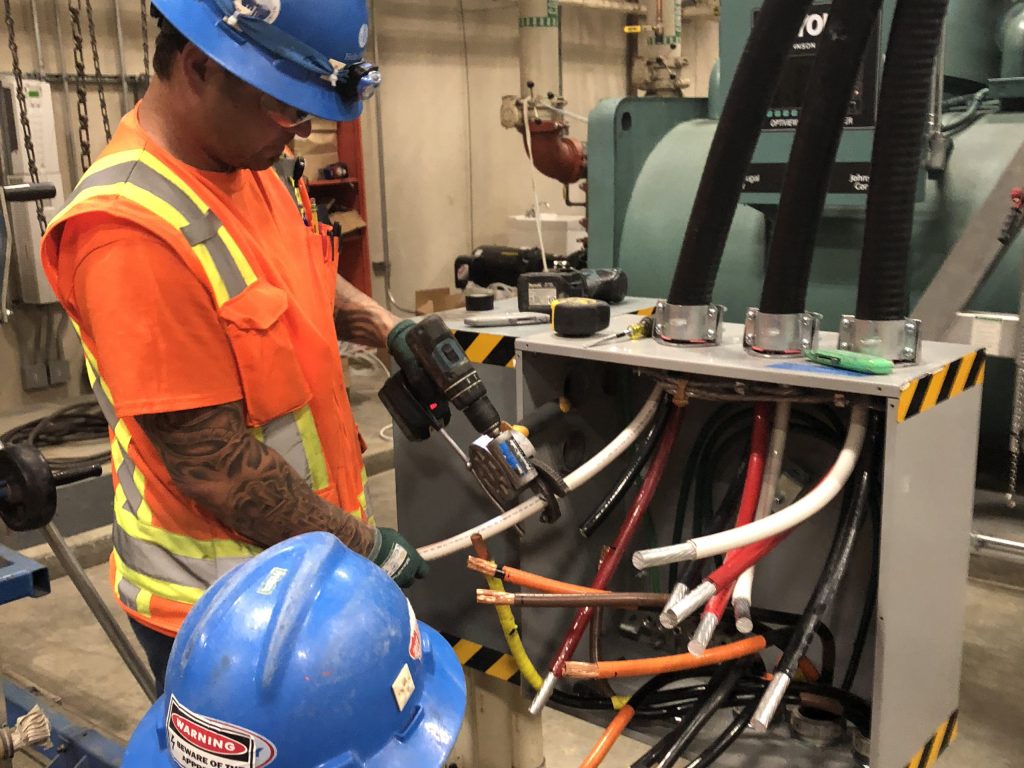
Trade education emphasizes learning by doing. Students spend significant time in labs, workshops, and real-world environments—gaining confidence and competence from day one. This applied learning model ensures graduates can step into roles with minimal onboarding.
Shorter Programs, Faster Careers
Many hawaii trade schools offer programs that can be completed in months rather than years. This accelerated timeline allows students to enter the workforce sooner, start earning, and avoid excessive student debt.
Industry-Recognized Credentials
Certifications and licenses are central to trade education. Hawaii trade schools prepare students for state and national exams, ensuring credentials are recognized by employers across the islands and beyond.
Key Industries Served by Hawaii Trade Schools
Hawaii’s diverse economy relies on skilled workers across multiple sectors. Hawaii trade schools tailor programs to meet these specific needs.
Construction and Skilled Trades
From residential housing to large-scale infrastructure projects, construction remains a cornerstone of Hawaii’s economy.
Popular Programs
- Electrical technology
- Plumbing and pipefitting
- Carpentry and woodworking
- Welding and fabrication
Graduates of these programs are essential to building, maintaining, and upgrading Hawaii’s homes and public spaces.
Healthcare and Medical Support
As Hawaii’s population ages, demand for healthcare professionals continues to rise. Hawaii trade schools offer targeted training for support roles that keep healthcare systems running efficiently.
Popular Programs
- Medical assisting
- Pharmacy technician training
- Nurse aide and patient care
These programs provide stable, respected careers with strong growth potential.
Technology and IT Support
Digital transformation has reached every island. Businesses need technicians who can manage networks, troubleshoot systems, and support cybersecurity.
Popular Programs
- IT support and networking
- Computer systems technology
- Cybersecurity fundamentals
Hawaii trade schools ensure students gain practical tech skills aligned with modern business needs.
Hospitality, Culinary, and Tourism
Tourism is a major driver of Hawaii’s economy. Skilled professionals ensure exceptional guest experiences.
Popular Programs
- Culinary arts
- Hotel and hospitality management
- Facilities maintenance
Graduates are well-positioned for roles in resorts, restaurants, and travel services.
Benefits of Choosing Hawaii Trade Schools
Selecting the right educational pathway is a major decision. Hawaii trade schools offer distinct advantages that appeal to students of all ages and backgrounds.
Career-Focused Education
Every course is designed with employment in mind. Curriculum development often involves industry advisory boards, ensuring relevance and alignment with employer expectations.
Strong Employer Partnerships
Many hawaii trade schools collaborate with local businesses to offer internships, apprenticeships, and job placement assistance. These partnerships create a direct bridge from classroom to career.
Affordability and Financial Accessibility
Compared to traditional colleges, hawaii trade schools are typically more affordable. Shorter program lengths and focused coursework reduce overall costs, and many schools offer financial aid, scholarships, and veteran benefits.
Flexible Learning Options
Evening classes, part-time schedules, and hybrid learning models make trade education accessible to working adults, parents, and career changers.
How Hawaii Trade Schools Empower Career Changers and Youth
Trade education isn’t just for recent high school graduates. Hawaii trade schools serve a broad audience.
Opportunities for High School Graduates
Students who prefer hands-on learning can transition directly into career-focused programs. Early entry into the workforce allows them to gain experience and financial independence sooner.
Reskilling and Upskilling for Adults
Career changes are common in today’s economy. Hawaii trade schools provide practical retraining options for adults seeking stability, higher pay, or more fulfilling work.
Choosing the Right Hawaii Trade School
With multiple options available, selecting the right institution requires careful consideration.
Accreditation and Licensing
Ensure the school is accredited and recognized by relevant state or industry bodies. This guarantees quality education and credential recognition.
Program Outcomes
Research graduation rates, certification pass rates, and job placement statistics. Reputable hawaii trade schools are transparent about outcomes.
Facilities and Equipment
Modern labs and up-to-date tools are essential for effective training. Visiting campuses can provide insight into learning environments.
Student Support Services
Career counseling, tutoring, and job placement assistance add significant value to the educational experience.
The Future of Hawaii’s Workforce Starts Here
As Hawaii continues to grow and adapt, the need for skilled professionals will only increase. Hawaii trade schools are uniquely positioned to meet this demand by producing capable, confident workers ready to contribute from day one. Their focus on practical skills, local relevance, and career readiness makes them a cornerstone of Hawaii’s economic future.
At ABC Hawaii, we recognize the transformative power of trade education. Whether you’re starting your journey, changing careers, or seeking specialized skills, hawaii trade schools offer a clear, achievable path to success.
Frequently Asked Questions (FAQ)
What careers can I pursue through Hawaii trade schools?
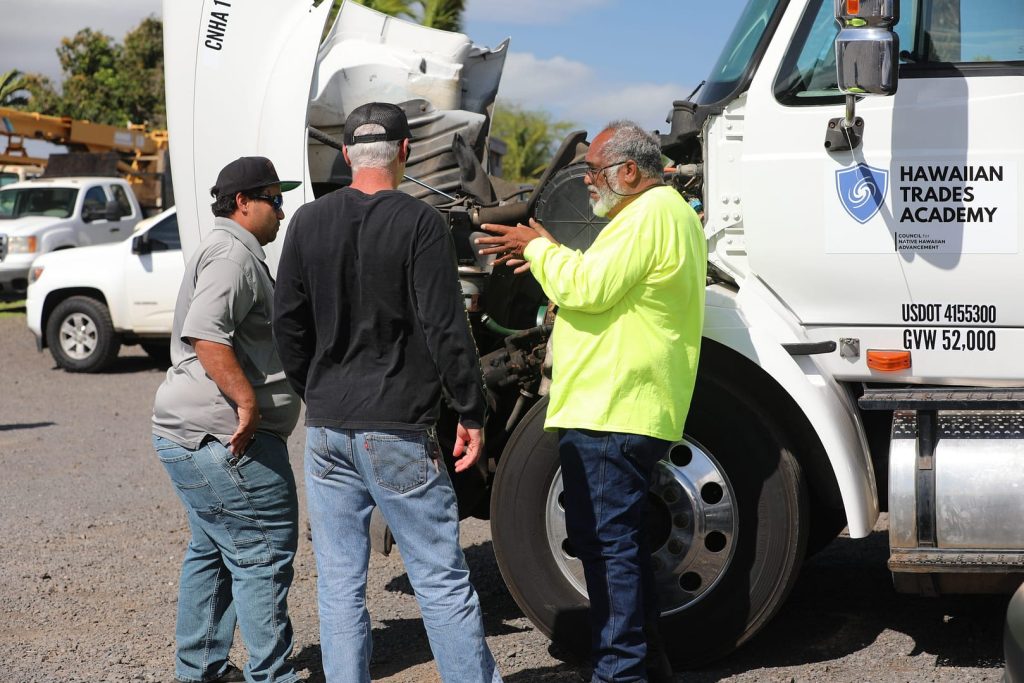
Hawaii trade schools prepare students for careers in construction, healthcare, IT, automotive technology, culinary arts, hospitality, and more—fields with strong local demand.
How long do programs at Hawaii trade schools take?
Program lengths vary, but many can be completed in six months to two years, depending on the trade and certification level.
Are Hawaii trade schools affordable?
Yes. Compared to traditional colleges, hawaii trade schools are generally more affordable, with financial aid and flexible payment options often available.
Conclusion: Take the Next Step Toward a Skilled Career
Hawaii’s future depends on a strong, skilled workforce—and hawaii trade schools are leading the way. By offering practical training, industry-aligned credentials, and clear career pathways, these institutions empower individuals to build stable, rewarding futures while strengthening local communities. Explore our homepage now to stay ahead in the digital world.