



7 Powerful EV Charging Solutions for Businesses and Fleets
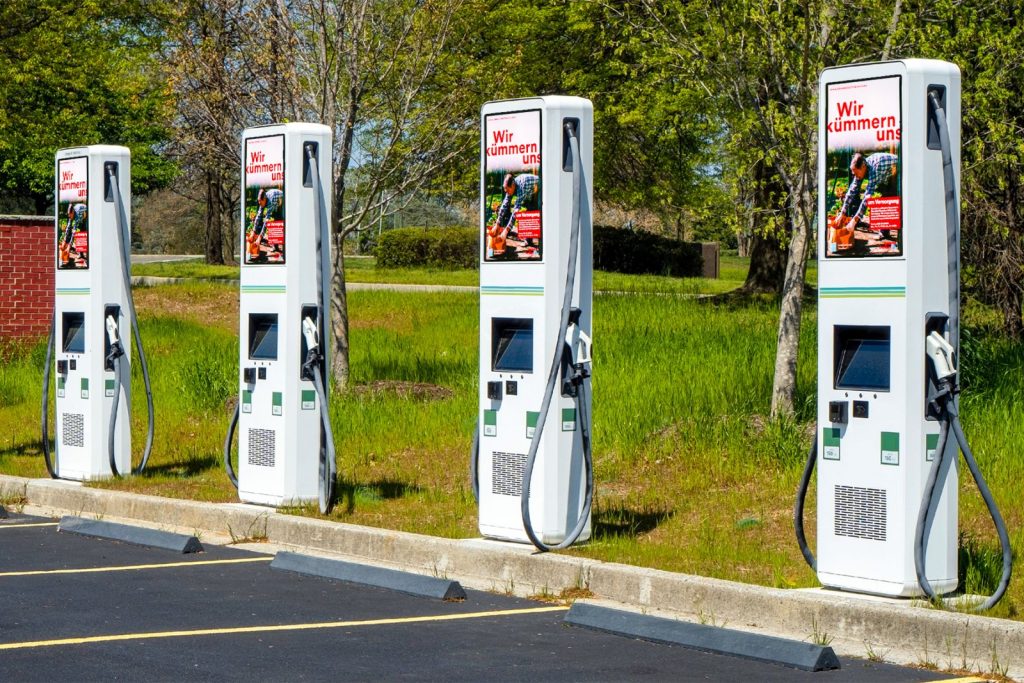
The transition to electric vehicles (EVs) is accelerating rapidly, and businesses are increasingly recognizing the need to support EV adoption among employees, customers, and fleet operations. Integrating EV charging solutions into your infrastructure not only promotes sustainability but also enhances operational efficiency, reduces carbon footprints, and positions your business as a forward-thinking organization. Whether you manage a fleet of delivery vehicles or run a corporate office, implementing the right EV charging solutions can significantly impact your bottom line and environmental goals.
Why Businesses Need EV Charging Solutions
The adoption of electric vehicles is no longer optional for forward-looking businesses. Employees and customers expect convenient charging access, and fleet operators require reliable solutions to maintain vehicle uptime. Installing EV charging stations ensures that your business remains competitive while aligning with sustainability initiatives. Moreover, it can lead to tax incentives, grants, and other financial benefits, making EV charging solutions a strategic investment for the long term.
1. Level 1 EV Chargers – Simple and Cost-Effective
Level 1 EV chargers are the most basic form of electric vehicle charging, using a standard 120V outlet. While they are slower than other options, they are cost-effective and ideal for businesses that have overnight charging opportunities or low daily mileage requirements. Level 1 chargers are suitable for office parking lots, small commercial locations, and employee charging programs. They are easy to install and require minimal electrical upgrades, making them a convenient starting point for businesses exploring EV infrastructure.
2. Level 2 EV Chargers – Fast and Reliable
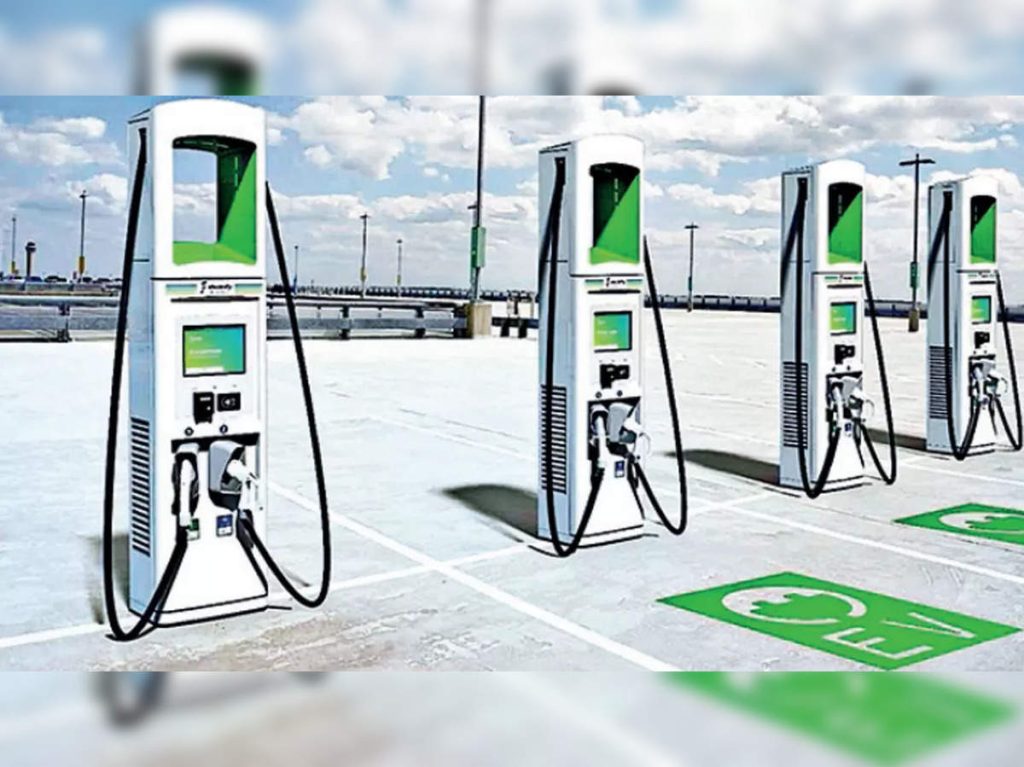
Level 2 chargers operate on a 240V power supply and deliver a faster charging rate compared to Level 1. These chargers are ideal for workplaces, retail centers, and fleet depots where vehicles need a quicker turnaround. Level 2 chargers balance cost and efficiency, offering sufficient power for most electric vehicles within a few hours. Integrating Level 2 chargers with a management system allows businesses to monitor usage, manage energy costs, and ensure optimal performance. This solution is a reliable choice for businesses looking to support multiple vehicles simultaneously.
3. DC Fast Chargers – High-Speed Charging for Fleets
DC fast chargers are designed for rapid charging, capable of delivering an 80% charge in 20–40 minutes, depending on the vehicle. These chargers are crucial for fleet operators who require minimal downtime to maintain operational efficiency. While they involve a higher upfront investment, DC fast chargers reduce idle time and increase fleet productivity. Businesses can strategically place DC fast chargers at depots, logistics hubs, or along high-traffic routes to ensure seamless operations. Integrating DC fast charging with energy management systems can further optimize electricity costs.
4. Smart Charging Stations – Intelligent Energy Management
Smart charging stations are equipped with advanced software that enables dynamic energy management, remote monitoring, and automated billing. These stations allow businesses to schedule charging during off-peak hours, reducing energy costs and preventing grid overload. Smart EV charging solutions provide detailed analytics, helping managers track usage patterns, optimize charger allocation, and improve fleet efficiency. By leveraging smart technology, businesses can ensure sustainable growth while enhancing user convenience and operational transparency.
5. Solar-Powered EV Chargers – Sustainable and Cost-Efficient
Solar-powered EV chargers combine renewable energy with electric vehicle infrastructure, offering an environmentally friendly solution for businesses committed to sustainability. These chargers reduce reliance on grid electricity, lower operational costs, and minimize carbon emissions. Solar EV charging solutions are particularly effective for remote locations, parking structures, and commercial facilities with available rooftop space. Businesses that adopt solar-powered chargers demonstrate corporate responsibility and attract eco-conscious employees and customers, reinforcing their green credentials.
6. Mobile EV Charging Units – Flexibility On Demand
Mobile EV charging units provide portable charging capabilities for businesses that need temporary or emergency solutions. These units are ideal for events, remote job sites, or backup support during peak demand. Mobile chargers can serve as an interim solution while permanent infrastructure is being installed or upgraded. By offering flexible EV charging solutions, businesses can ensure continuous vehicle operations, accommodate unexpected demand, and enhance customer or employee satisfaction without significant infrastructure investment.
7. Fleet-Specific Charging Management Systems – Optimize Operations
For businesses managing large fleets, integrating a dedicated charging management system is essential. These systems offer centralized control over charging schedules, vehicle prioritization, and energy usage reporting. Fleet operators can reduce peak energy costs, maximize charger utilization, and ensure all vehicles are ready for deployment. Fleet-specific EV charging solutions also support predictive maintenance and data-driven decision-making, enhancing efficiency and minimizing operational disruptions. Investing in a robust management system can transform fleet operations and deliver long-term cost savings.
Choosing the Right EV Charging Solutions for Your Business
Selecting the appropriate EV charging solutions depends on your business size, vehicle types, usage patterns, and sustainability goals. Smaller businesses may start with Level 1 or Level 2 chargers, while large fleets benefit from DC fast chargers and smart management systems. Solar-powered and mobile charging options offer additional flexibility and environmental benefits. Partnering with a reputable provider, such as QIAO EV Charger, ensures access to reliable equipment, expert installation, and ongoing support, allowing your business to optimize EV adoption and infrastructure growth.
Benefits of Implementing EV Charging Solutions
Implementing EV charging solutions offers multiple advantages:
- Operational Efficiency: Minimized downtime for fleet vehicles and increased employee convenience.
- Cost Savings: Reduced fuel costs, potential tax incentives, and optimized energy consumption.
- Sustainability: Lower carbon footprint and alignment with corporate environmental goals.
- Employee and Customer Satisfaction: Enhanced convenience and progressive brand image.
- Competitive Advantage: Early adoption signals innovation and corporate responsibility.
Conclusion
Adopting EV charging solutions is no longer a future consideration—it is a strategic imperative for businesses and fleet operators. From simple Level 1 chargers to advanced fleet management systems, there are versatile options to suit every business need. Investing in these solutions not only improves operational efficiency but also reinforces your commitment to sustainability, enhances your brand reputation, and prepares your organization for the growing electric vehicle market. Partnering with experts like QIAO EV Charger ensures seamless installation, ongoing support, and optimized performance. Take the step today to integrate EV charging solutions and drive your business toward a cleaner, smarter, and more efficient future. Don’t miss out on what matters. Visit the main page today.
FAQ
1. What are the different types of EV charging solutions for businesses?
Businesses can choose from Level 1 chargers, Level 2 chargers, DC fast chargers, smart stations, solar-powered chargers, mobile units, and fleet-specific management systems depending on their needs.
2. How can EV charging solutions benefit fleet operations?
EV charging solutions reduce vehicle downtime, optimize energy usage, provide predictive maintenance insights, and allow centralized management, improving overall fleet efficiency.
3. Are there financial incentives for installing EV charging stations?
Yes, many governments offer tax credits, grants, and incentives for businesses installing EV charging solutions, making it a financially advantageous investment.