


Essential Insights from a Leading New York City General Contractor for Your Next Project
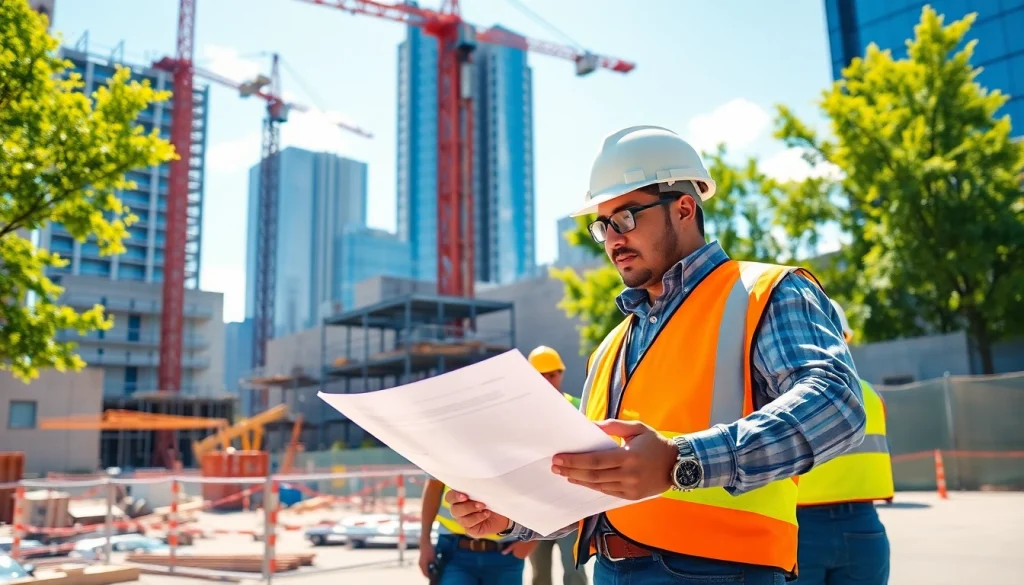
Overview of New York City General Contractor Services
When undertaking any construction or renovation project in the bustling metropolis of New York City, engaging the right professionals is critical for achieving success. As a pivotal player in this process, a New York City General Contractor oversees the entire project from inception to completion. Their services encompass a wide array of tasks, including project management, cost estimation, and labor coordination, ensuring that every component of your build aligns flawlessly with your vision.
Types of Services Offered
New York City general contractors provide a comprehensive suite of services tailored to meet the diverse needs of their clients. Common offerings include:
- Residential Construction: Whether it’s building new homes or renovating existing structures, contractors manage the process, allowing homeowners to realize their dreams.
- Commercial Construction: From office buildings to retail spaces, contractors coordinate large-scale commercial projects ensuring adherence to business needs and regulatory compliance.
- Renovations and Remodels: These contractors specialize in transforming spaces while maintaining the original aesthetic, catering to changing needs and modern trends.
- Design-Build Services: Offering a unified approach, design-build services streamline the construction process by integrating design and construction phases.
Importance of Hiring Licensed Contractors
Engaging a licensed general contractor is crucial for ensuring that your project adheres to local laws and regulations. In New York City, licensed contractors are knowledgeable about building codes, safety standards, and zoning requirements. They also provide a level of accountability, ensuring quality craftsmanship, appropriate insurance, and warranties, which protects your investment. Working with an unlicensed contractor can result in subpar work, delays, or legal repercussions.
How to Choose the Right General Contractor
Selecting the ideal general contractor involves several key steps:
- Check Credentials: Ensure the contractor is licensed, insured, and bonded to safeguard against potential liabilities.
- Review Experience: Look for contractors with proven success in projects similar to yours.
- Get References: Speak with past clients to assess their satisfaction and the quality of work performed.
- Evaluate Communication: Strong communication skills can significantly impact project success; ensure the contractor listens to your needs and provides clear updates.
- Consider Cost Transparency: A reliable contractor should provide a detailed estimate and communicate any potential additional costs upfront.
Regulatory Requirements for New York City General Contractors
Understanding the legal landscape of construction in New York City is vital for compliance and project success. This section explores the essential regulatory requirements.
Navigating Licensing and Permits
New York City requires general contractors to possess a valid license obtained through the Department of Buildings. The application process typically involves:
- Meeting age and experience requirements.
- Submitting necessary documentation, including background checks.
- Paying applicable fees associated with the licensing process.
Moreover, obtaining the necessary permits for specific types of construction is essential to avoid fines, project delays, or legal issues. Contractors must be adept at navigating this complex bureaucracy, ensuring all paperwork is completed accurately and submitted on time.
Understanding Building Codes
Building codes in New York City establish minimum standards for construction to ensure safety and promote the welfare of residents. General contractors must be well-versed in:
- Structural integrity requirements.
- Fire safety and accessibility standards.
- Energy efficiency guidelines.
By strictly adhering to these codes, contractors can prevent costly alterations and potential safety hazards during and after construction.
Impact of Regulations on Project Timelines
Regulatory requirements can significantly influence project timelines. Navigating the permitting process and ensuring compliance with building codes can lead to delays if not managed efficiently. A skilled general contractor understands these challenges and proactively addresses them by allocating sufficient time for inspections and approvals, ultimately helping to keep your project on track.
Key Characteristics of Successful New York City General Contractors
The landscape of general contracting in New York City demands a unique skill set. Understand the qualities that define successful contractors in this competitive market.
Essential Skills and Qualifications
A successful contractor should possess a blend of technical and managerial skills, including:
- Project Management Expertise: Ability to oversee the multifaceted aspects of construction projects efficiently.
- Strong Communication Skills: Essential for interacting effectively with clients, subcontractors, and suppliers.
- Problem-Solving Abilities: Rapid response to unexpected challenges or changes in project direction is vital.
Building Strong Client Relationships
Establishing trust and rapport with clients is crucial. Successful contractors prioritize effective communication and transparency, keeping clients informed and involved throughout the construction process. Regular updates on project progress and budget considerations build confidence and satisfaction.
Effective Project Management Techniques
Successful general contractors harness project management tools and methodologies to optimize workflows. Techniques such as Agile project management and Lean construction principles can streamline processes, minimize waste, and improve efficiency, ultimately leading to timely project completion and cost savings.
Challenges Faced by New York City General Contractors
The construction industry is fraught with challenges, particularly in a bustling city like New York. Below are common hurdles faced by general contractors.
Addressing Urban Space Limitations
New York City is known for its demanding urban landscape, where space is often limited. General contractors must be adept at:
- Maximizing available space through clever design and innovative solutions.
- Understanding zoning laws and site constraints that impact construction.
- Navigating logistics, including material delivery and labor management in high-density areas.
Managing Costs and Budgeting
Accurate budgeting is critical for construction projects. Unexpected costs can arise due to fluctuating material prices, labor shortages, or regulatory changes. A proficient general contractor employs proactive budgeting practices and maintains open communication with clients to manage expectations and mitigate financial surprises.
Adapting to Changing Regulations
The regulatory environment in New York City is constantly evolving. General contractors must stay abreast of changes in building codes, environmental regulations, and zoning laws to ensure compliance at all times. Continuous education and professional development are vital to maintain a competitive edge.
Future Trends in New York City General Contracting
As the industry evolves, several trends are shaping the future of general contracting in New York City. Understanding these trends can position contractors for success in a rapidly changing environment.
The Rise of Sustainable Building Practices
With increasing awareness of environmental issues, sustainable building practices are gaining momentum in New York City. General contractors are now focusing on:
- Utilizing eco-friendly materials to minimize environmental impact.
- Incorporating energy-efficient systems to lower long-term operational costs.
- Designing buildings that improve overall sustainability.
This shift not only enhances the appeal of properties but also aligns with city-wide initiatives aimed at reducing carbon footprints.
Technology’s Impact on Construction
Technology is revolutionizing the construction industry. Advancements such as Building Information Modeling (BIM), drones for site assessments, and augmented reality for visualization are enhancing efficiency and accuracy. General contractors who embrace these technologies can streamline processes, improve safety, and deliver higher-quality outcomes.
Predictions for the NYC Construction Market
As the city continues to grow, the construction market is expected to evolve. Forecasts indicate a persistent demand for residential and commercial developments driven by population growth and economic activity. Adapting to market fluctuations and proactively addressing housing shortages will be essential for general contractors seeking to thrive in this competitive landscape.